


Lawn Improver: How to Transform Your Lawn with GREENER
If you’ve ever stared at your lawn wondering why it looks tired, patchy, or overrun with moss despite your best efforts, you’re not alone. The secret to a lush, vibrant lawn isn’t just about throwing down more fertiliser—it’s about understanding what your grass and soil actually need. This guide will walk you through everything you need to know about lawn improvers, from choosing the right type to applying it properly, so you can finally achieve the healthy lawn you’ve been dreaming of.
What is a Lawn Improver?
A lawn improver is more than just a quick-fix fertiliser—it’s any product or treatment designed to enhance your soil structure, strengthen roots, and create the dense, resilient turf that thrives season after season. While a standard lawn feed delivers a short burst of nutrients for immediate greening, a true lawn improver works at a deeper level, rebuilding your soil from the ground up.
-
Quick-feed fertilisers give your grass a rapid nitrogen hit, visible within days, but the effects fade quickly and don’t address underlying soil problems
-
Season-long improvers include soil conditioners, bio-active feeds, and wetting agents that improve drainage, aeration, and nutrient retention over weeks and months
-
The difference matters because lawns on poor soil will keep struggling no matter how much you feed them—healthy plant growth starts beneath the surface
-
GREENER’s approach focuses on long-term lawn improvement using a complete system (Transformation + Seasonal Care with GROWTH, POWER and BOOST) tailored specifically to UK conditions
-
This article will help you choose and use lawn improvers from April through September, with visible results often appearing within weeks when you follow a consistent plan

When and Where to Use a Lawn Improver (UK Conditions)
Timing is everything when it comes to lawn care in the UK. The growing season typically runs from April to September, when soil temperatures rise above 8°C and your grass actively puts on new growth. Apply improvers outside this window, and you’re essentially wasting product on dormant turf that can’t use it.
-
Spring (late March–May): This is the ideal time to start your lawn improvement journey. Once soil warms above roughly 8°C, roots wake up and grass begins active growth—perfect conditions for your first application of the season
-
Summer (June–August): Improvers help lawns cope with heat stress and intermittent drought, but apply when soil is moist, ideally in the morning or evening, never during midday heat when the ground is baked dry
-
Early autumn (September): Final applications thicken grass and repair summer stress before soil temperatures drop. This is also prime time for overseeding and renovation work
-
Problem areas first: Target high-traffic paths, kids’ play zones, dog-urine patches, and shaded corners under trees where grass struggles most
-
Whole-lawn treatment: For established lawns, a complete application every 6–8 weeks during the growing season gives the best results
-
Avoid applying to frozen ground in winter, waterlogged soil after heavy rain, or extremely dry, cracked earth during a summer drought—wait for suitable conditions
-
Check the weather forecast: Aim to apply when light rain is expected within 24–48 hours to help work the product into the soil naturally
Types of Lawn Improver and What They Do
Most successful lawns rely on a combination approach: feed for nutrients, conditioner for soil health, and biological boosters for root strength. Understanding what each type does helps you choose the right products—or lets a system like GREENER do the thinking for you.
-
Nutrient feeds (slow-release granular): These deliver nitrogen, phosphorus and potassium (NPK) gradually over weeks, providing gentle greening within 7–10 days without the scorch risk of high-nitrogen “instant green” products. Look for feeds that won’t burn your lawn if you slightly overlap during application
-
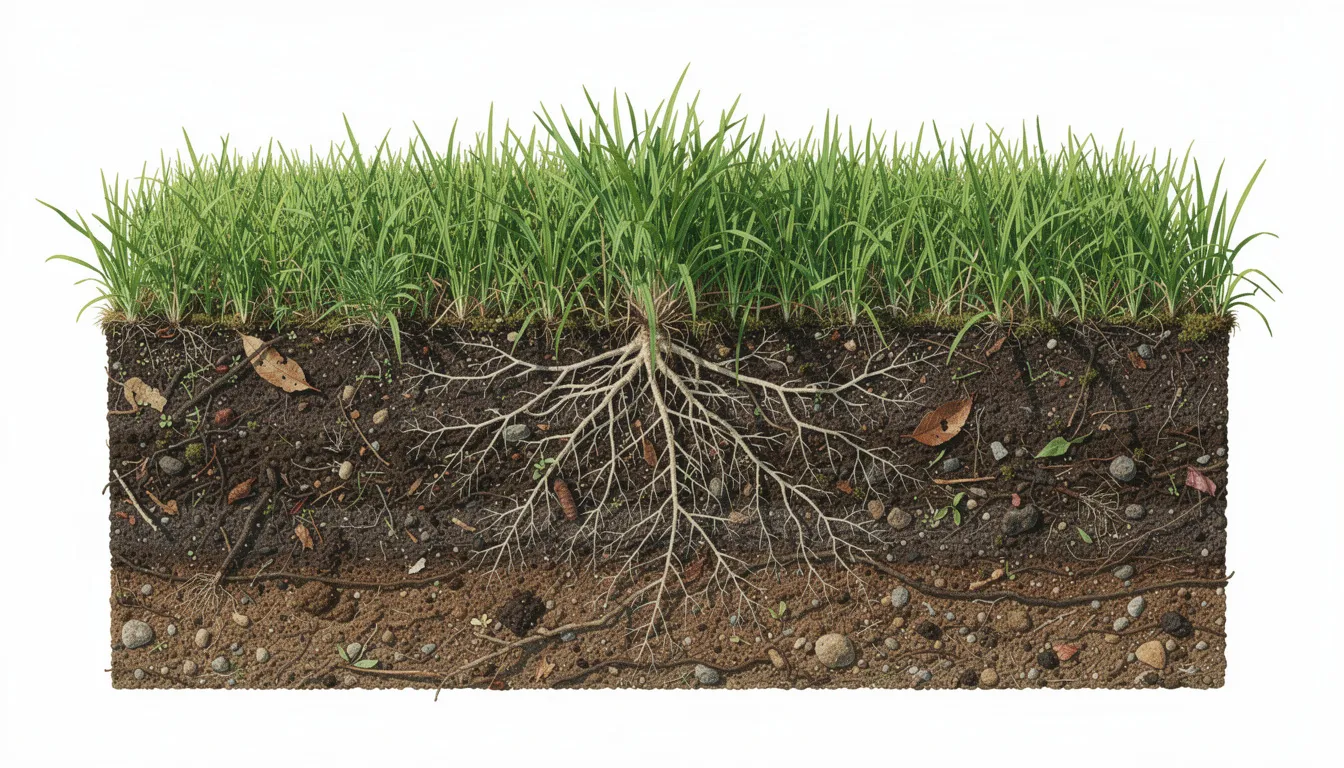
Soil conditioners (biochar, lignosulphonate, compost-based): These improve your soil structure at a fundamental level. On heavy clay soil, they break up compaction and boost drainage by up to 25%. On sandy ground, they help hold moisture and nutrients that would otherwise wash away in the first rain
-
Biological improvers (mycorrhizal fungi, beneficial bacteria): These attach directly to grass roots, massively improving nutrient uptake and helping your lawn resist disease. Products containing active biology can increase moisture availability to roots by 20–30%, which is essential during dry spells
-
Moss and weeds: Most lawn improvers strengthen grass rather than directly killing moss or weeds. A dense, healthy sward naturally shades out competition, but separate moss control or weed treatments may still be needed for established invasions
-
Where GREENER fits: GROWTH delivers the nutrient feed your grass craves, POWER supports soil and root improvement through the season, and BOOST provides a targeted top-up when your lawn needs extra help. Together, they form a complete system for improving soil health and grass density
How to Apply Lawn Improver Safely and Evenly
Even application is the key to avoiding those telltale stripes and patchy colour that scream “amateur job.” Whether you sprinkle evenly by hand or use a lawn spreader, a methodical approach makes all the difference.
-
Preparation: Mow your lawn 1–2 days before applying, then remove leaves and debris from the surface. Check there’s no frost forecast and aim for moist but not saturated soil—morning after steady rain is ideal
-
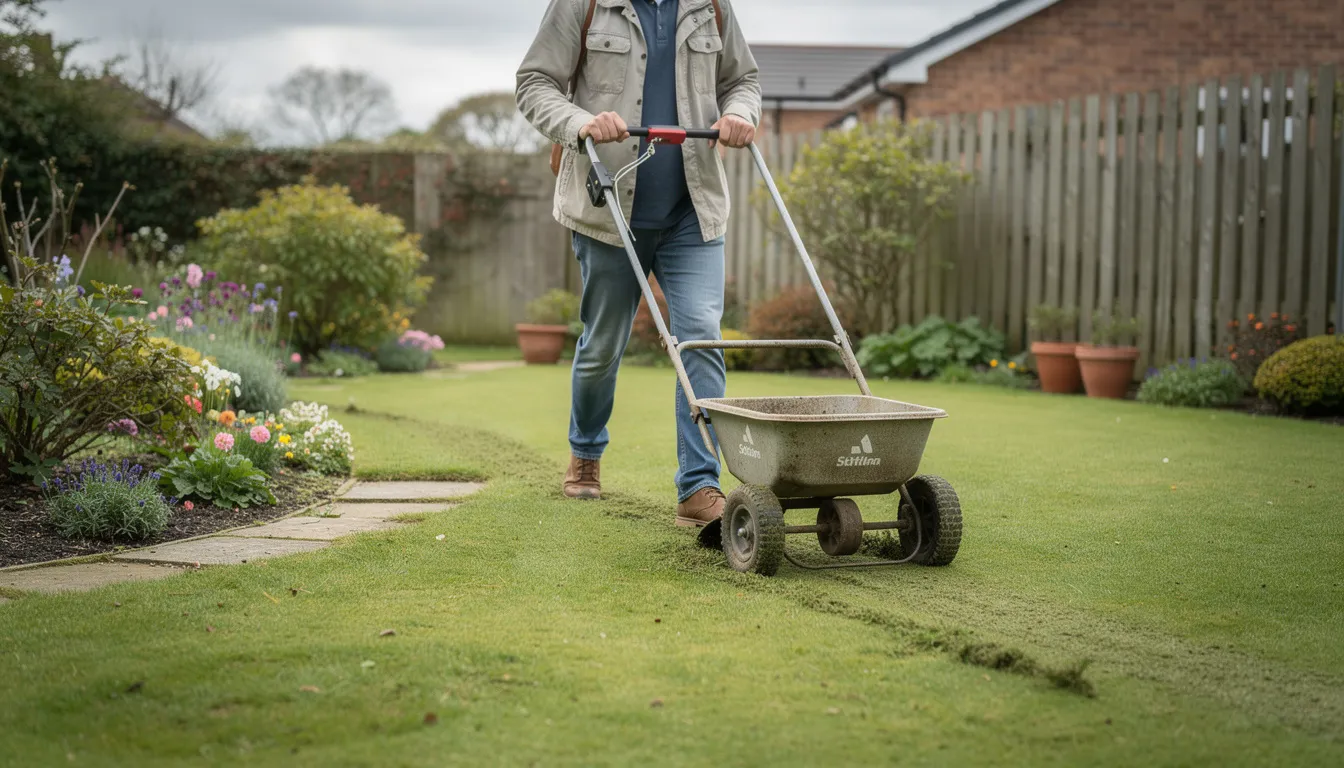
Hand application (small lawns): One handful equals roughly 30–35g, enough for about one square metre. Walk in straight lines across your lawn, overlapping slightly with each pass. Avoid dumping piles at edges or turning points
-
Using a spreader: Set your lawn spreader to the manufacturer’s recommended setting for 30–35g/m². Walk at a steady pace, making a north-south pass first, then an east-west pass for complete, even coverage
-
Watering in: If no rain is forecast within 24 hours, lightly water the lawn to move the product down to soil level and away from grass leaf tips where it could cause minor burn
-
Safety first: Wear gloves during application and wash hands thoroughly afterwards. Sweep any product off patios, paths and driveways to prevent staining and runoff into drains
-
Follow the plan: GREENER packages each treatment clearly labelled by month or season, removing the guesswork about when and how much to apply
Expected Results and Timescales
Knowing what to expect—and when—helps you tell if your lawn improver is actually working. Patience matters here, but you should see genuine progress if you’re using quality products correctly.
-
Initial greening (Week 1): Most quality improvers deliver visible colour improvement within about 7 days in warm, moist conditions. Your lawn should look noticeably fresher and more vibrant
-
Medium-term changes (4–8 weeks): Expect a thicker sward, fewer bare patches, and stronger recovery from wear. You’ll also notice less need for emergency watering during dry spells as roots deepen
-
Long-term improvements (full season): Root development and soil structure changes take a complete April–September growing season to really show. By autumn, your lawn should bounce back faster from drought, foot traffic and mowing stress
-
Moss may look worse initially: As grass thickens around it, existing moss becomes more obvious. Improvers don’t feed moss—they strengthen grass—but you’ll likely need separate removal or treatment to fully clear it
-
Consistency beats intensity: Results are dramatically better when you follow a simple schedule every 6–8 weeks rather than one heavy treatment per year. Little and often wins the race
-
Track your progress with GREENER: The system sequences GROWTH, POWER and BOOST so you get predictable, trackable improvement across the year, taking the guesswork out of what comes next
New Lawns, Overseeding and Seeding Timings
New seed and young grass need a gentler approach than established lawns. Get the timing wrong, and you risk scorching delicate seedlings or slowing down establishment just when they need to put on growth.
-
Best sowing windows: Aim for mid-spring (April to mid-May) or early autumn (September) when soil is warm, moist and conditions favour rapid germination. Avoid seeding into cold, damp winter soil or parched summer ground
-
Wait before feeding: Typically, wait around 6 weeks after seeding—or until you’ve mown the new lawn 2–3 times—before using a standard lawn improver. Young roots can’t handle full-strength food yet
-
Pre-seeding fertilisers: Specialist pre-seeding products are milder and safe to use at sowing time. Standard feeds with higher nitrogen should always be delayed until grass is establishing strongly
-
Overseeding existing lawn: Apply your lawn improver 1–2 weeks before overseeding to wake up the soil and encourage germination, or wait 4–6 weeks after seedlings are up and stable before feeding
-
Watering for success: Keep seeded areas evenly moist with light waterings once or twice daily in dry spells. Avoid saturating the ground—you want damp, not waterlogged. Reduce frequency as roots establish and grass strengthens
-
Let GREENER guide timing: The system helps you coordinate seed, improvement and follow-up feeds so treatments don’t clash or overwhelm young turf
Dealing with Common Lawn Problems with Improvers
Real UK homeowner issues—patchiness, moss invasion, compacted soil and dull, pale grass—all respond well to the right lawn improver approach. Here’s how to tackle the most common challenges.
-
Compacted, soggy lawns (common on clay): Heavy clay soil in wet UK springs creates waterlogged conditions that suffocate roots. Combine hollow-tine aeration (punching holes through the turf) with a soil-improving product to enhance drainage and encourage deeper root growth
-
Dry, sandy lawns: Sandy ground drains too fast, leaving grass thirsty and nutrient-starved. Use organic-leaning improvers and biochar-type conditioners that help soil hold water and nutrients rather than letting them wash through
-
High-wear patches: Goal mouths, washing line areas and under trampolines take constant punishment. Combine overseeding with targeted improver applications, and if possible, rotate traffic patterns to give grass recovery time
-
Shaded areas: Under trees and along fences, grass fights for light, air and water. Accept that some shade limits what’s possible, choose tolerant seed mixes, and apply lighter, more regular improver treatments rather than infrequent heavy doses
-
Moss and weeds: Lawn improvers support grass to outcompete these invaders over time by creating dense turf that shades the soil surface. However, established moss patches may need separate treatments, and hand weeding remains the best approach for persistent weeds without resorting to harsh chemicals
-
Start with a diagnosis: GREENER’s Transformation service begins by identifying your lawn’s specific issues before selecting the right improver plan—no guesswork, just targeted action
Feeding Schedule and Seasonal Lawn Improvement Plan
Lawns perform best with a simple, predictable seasonal plan rather than random, ad hoc feeding whenever you remember or panic. Here’s how to structure your year.
-
Sample GREENER-style calendar:
-
April: Start with Transformation assessment + first GROWTH application to kickstart spring growth
-
Late May/June: Apply POWER to support roots and soil through the demanding summer months
-
July/August: BOOST for maintained colour, resilience against drought and continued dense growth
-
September: Final GROWTH or autumn-biased feed to thicken grass and prepare for winter dormancy
-
-
Frequency matters: Most lawns only need feeding every 6–8 weeks during the active season. Monthly applications or “whenever it looks tired” feeding often does more harm than good
-
Tie to your calendar: Busy households can link applications to bank holidays or school term dates—Easter for first feed, half-term for summer boost, back-to-school for autumn prep
-
Avoid treatment clashes: Leave at least 2–3 weeks between lawn improver applications and any weedkillers or moss treatments unless product labels specifically say otherwise
-
Keep simple records: A quick phone photo each month plus a note of what you applied helps you track progress and adjust your plan. GREENER’s guidance makes this even easier with a structured approach you can follow without thinking
-
Don’t forget the basics: Even the best feeding schedule can’t compensate for skipped mowing, poor drainage or ignoring obvious problems. Improvers work alongside good garden practice, not instead of it
Why Choose GREENER for Your Lawn Improvement Journey?
GREENER exists to be your expert partner in lawn care, taking the guesswork out of product choice, timing and application. Instead of standing in the garden centre wondering which bag to buy, you get a tailored plan that actually works for your lawn.
-
Tailored to your garden: GREENER considers your soil type, shade levels, how you use your lawn (children, pets, entertaining) and local UK climate conditions when planning your improvement programme. No generic one-size-fits-all approach
-
A complete system, not random products: The Transformation service plus Seasonal Care with GROWTH, POWER and BOOST work together as a joined-up approach. Each stage builds on the last, creating cumulative improvements in soil health, root strength and grass density
-
Premium, results-driven focus: The goal isn’t just a green lawn for a week—it’s a dense, resilient, healthy-looking lawn that gets easier to care for year after year. Products are free from animal derivatives and designed for lasting results without harsh chemicals
-
Expert guidance included: You’re not left alone with a bag of fertiliser and vague instructions. GREENER provides the details you need, when you need them, so your lawn gets the right treatment at the right stage of the season
-
Real transformation is possible: Whether you’re dealing with moss invasion, bare patches, compacted clay or just years of neglect, the GREENER system has helped countless UK homeowners achieve the lawn they always wanted
Ready to stop guessing and start growing? Visit grassisalwaysgreener.co.uk today to begin your lawn transformation. Whether you need the full Transformation service or just expert-guided seasonal care, your healthier, greener lawn is waiting.


