


If you’ve ever looked at your lawn in early spring and wondered where it all went wrong, you’re not alone. Consistent lawn maintenance matters more in the UK than almost anywhere else in Europe, and that’s down to our cool, often wet climate that cool-season grasses love – until they don’t. The 2022 heatwave left lawns across southern England scorched and dormant, while wetter winters since 2020 have turned many gardens into moss-ridden, waterlogged patches.
Here’s the truth most homeowners discover the hard way: moss, patchiness, weeds and compaction rarely happen because you’re doing nothing. They happen because you’re doing the right jobs at the wrong time, or simply not doing them regularly enough. A few weeks of neglect in spring, a missed autumn feed, or mowing too short through summer – these small lapses compound into visible problems by the following year.
That’s where GREENER comes in. As a premium, UK-based lawn care system, GREENER removes the guesswork from lawn care entirely. The approach is straightforward: a Transformation phase handles renovation and repair for struggling lawns, followed by ongoing Seasonal Care built around three targeted treatments – GROWTH (fertiliser for vigour and colour), POWER (weed and moss control), and BOOST (conditioning and soil health). Together, they create a year-round programme tailored to your lawn’s specific needs.
This article gives you a clear, month-by-month roadmap plus practical “how and why” guidance you can use immediately, whether your garden is in Leeds, Bristol or Glasgow. Before you dive in, why not visit GREENER to start a personalised lawn assessment while you read?
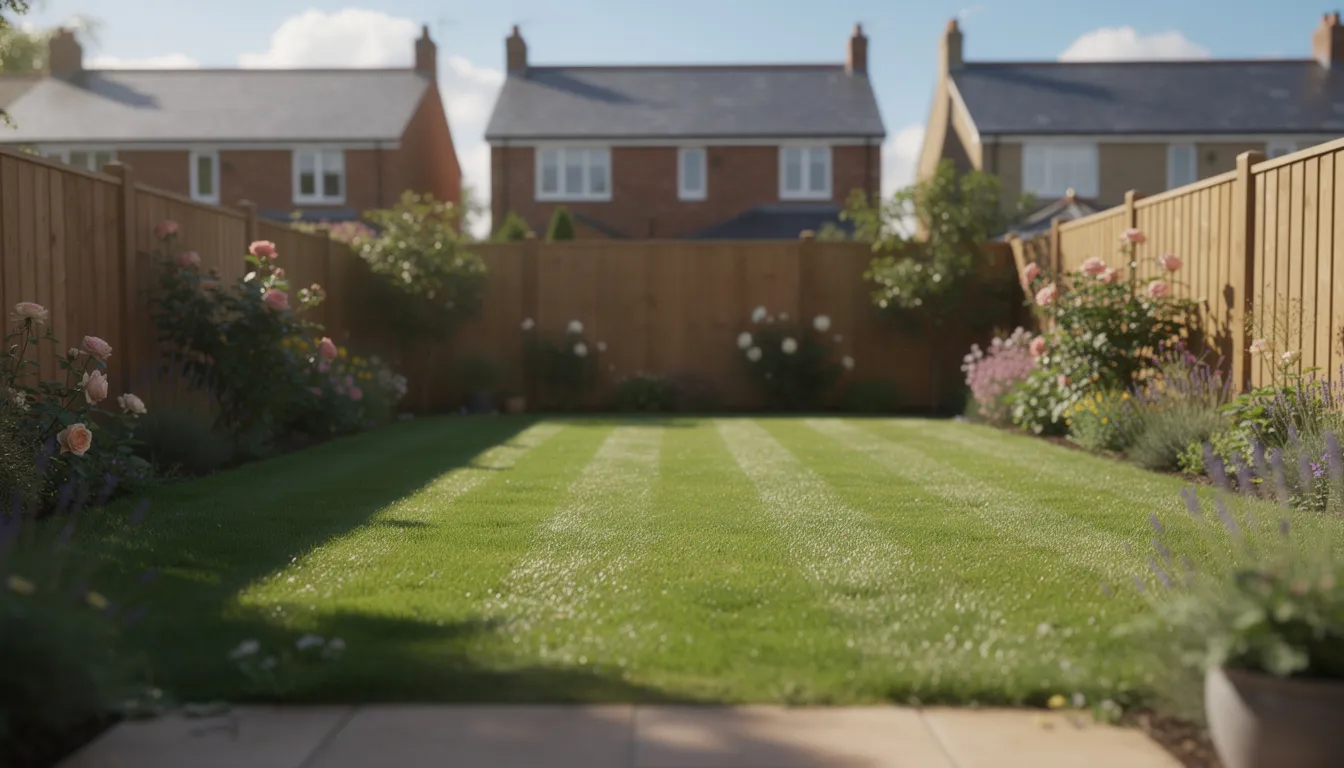
Understanding Your Lawn: Soil, Grass Type and Shade
Before planning any lawn maintenance, you need to understand what you’re working with. A few minutes of observation now will save hours of frustration later.
Soil Type and Drainage
Your soil determines everything from how often you water to how severely moss will invade:
-
Heavy clay soil – Feels sticky when wet in winter, cracks and hardens in dry weather like August. Common across the Midlands and much of southern England. These lawns suffer worst from compaction and moss because water sits on the surface rather than draining through.
-
Sandy, free-draining soil – Feels gritty, water disappears quickly, and the lawn may struggle in drought. Common in coastal areas and parts of East Anglia. These lawns rarely get moss but need more frequent feeding as nutrients wash through.
-
Loamy soil – The ideal middle ground. Holds moisture and nutrients well, drains adequately. If you’ve got this, count yourself lucky.
A simple test: dig a small hole, fill it with water, and time how long it takes to drain. More than an hour suggests heavy clay; under 10 minutes suggests sandy soil.
Grass Types in Plain Language
Most UK lawns contain one of two general types:
-
Fine ornamental grasses (fescues, bent grasses) – Create that bowling-green look with tight, fine blades. They need more careful management, lower mowing heights, and don’t tolerate heavy foot traffic well.
-
Hard-wearing ryegrass mixes – The workhorse of UK family lawns. Coarser texture but incredibly resilient, recovering quickly from football matches, dogs, and children. These dominate over 90% of domestic lawns according to industry estimates.
Your grass type affects mowing height and feeding intensity – fine lawns need lighter, more frequent feeding, while ryegrass mixes can handle more aggressive nutrition programmes.
Shade Considerations
Shade is the silent lawn killer in UK gardens:
-
North-facing London gardens overshadowed by fences often receive just 2-3 hours of direct sunlight daily
-
Mature trees in older suburbs cast dense shade and compete for water and nutrients
-
Buildings, sheds and tall hedges create permanent shadow zones
These areas are prone to thin grass, moss invasion, and poor recovery from wear. Young grass struggles to establish, and even established lawns thin out over time.
Defining Your Lawn Objectives
What do you actually want from your lawn? This shapes everything:
|
Lawn Type |
Maintenance Level |
Key Focus |
|---|---|---|
|
Football-proof play lawn |
Medium-high |
Wear tolerance, quick recovery, regular mowing |
|
Showpiece striped lawn |
High |
Fine grasses, precise mowing, regular feeding |
|
Low-input green space |
Low-medium |
Drought tolerance, minimal intervention |
GREENER can tune its system to any of these goals, adjusting treatments, seed mixes and visit frequency to match your vision for the perfect lawn.
A UK Lawn Maintenance Calendar: January to December
Understanding when to do what separates thriving lawns from struggling ones. Here’s your month-by-month guide:
January
-
Avoid walking on frosty weather or waterlogged grass – frozen blades snap and crush, leaving brown footprints for months
-
Clear any remaining debris and begin planning spring renovation
-
Note that compaction from Christmas and New Year gatherings will be tackled with aeration later
February
-
Check for moss and thatch build-up, especially in damp regions like Wales and the North West
-
Take photos now to compare after treatment – you’ll be amazed at the difference
-
Sharpen mower blades or have the mower serviced ready for late March or April
March
-
Usually the start of growth in southern England when soil reaches 8-10°C
-
Make your first cut of the year – a light mow removing just the tips
-
Give the lawn a gentle rake to lift debris and plan any Transformation work such as scarifying and overseeding
April
-
The key kick-off month across most of the UK
-
Start your feeding programme with a spring feed (GROWTH) to fuel the growth surge
-
Begin regular mowing at the correct height – this is when GREENER typically begins full Seasonal Care programmes
May
-
Focus on regular mowing, edging, and spot-treating lawn weeds
-
Consistent cutting thickens grass and naturally suppresses weed seedlings before they establish
-
Adjust watering in dry spells that increasingly occur in late May
June
-
Raise the mowing height slightly in hot, dry periods
-
In prolonged dry weather, water deeply but infrequently in early morning
-
Apply the second feed or slow-release fertiliser to carry the lawn through summer
July
-
Potential drought and hosepipe restrictions (remember 2022 in southern England)
-
Pause heavy treatments and simply mow higher and less often
-
Protect the grass crown so the lawn recovers quickly when rainfall returns
August
-
Consider light renovation if warmer weather is mild and damp
-
Primarily a planning month – note thin, high-traffic and shady lawn areas ready for repair
-
Late summer is your last chance before the main autumn renovation window
September
-
The best month for major lawn improvement in most of the UK
-
Warm soil, cooler air, and regular rain create ideal conditions
-
Scarify, aerate, overseed and apply an autumn-balanced feed (part of GREENER Transformation + BOOST)
October
-
Continue leaf clearance – smothered grass quickly turns yellow
-
Finish any overseeding early in the month while soil remains warm
-
Apply an autumn/winter lawn feed to toughen grass before frosts, particularly in northern regions
November
-
Keep the lawn clean of leaves and minimise wear when soil is soft
-
Make a final high cut if conditions allow
-
Remember that roots are still active even if above-ground growth has slowed
December
-
Do almost nothing other than avoid walking on frozen turf
-
This rest period is crucial recovery time and sets the stage for stronger growth next spring
-
Clear any debris blown onto the lawn during winter storms
The GREENER Seasonal Care plan mirrors this calendar, automatically timing GROWTH, POWER and BOOST visits to your local weather rather than rigid dates.

Mowing: Heights, Frequency and Stripes
Mowing is the single most powerful maintenance tool you have, yet most UK lawns are cut too short or too irregularly. Get this right, and half your lawn problems disappear.
Recommended Mowing Heights
Different lawns need different heights:
|
Lawn Type |
Recommended Height |
Notes |
|---|---|---|
|
Busy family lawn |
4-5 cm |
Tolerates wear, shades soil |
|
Ornamental lawn |
3 cm |
Creates fine appearance, needs more care |
|
Shaded areas |
5-6 cm |
Extra height helps grass photosynthesise in low light |
Growth patterns vary across the UK – Manchester lawns often grow more slowly than Brighton due to temperature differences, so adjust your schedule accordingly.
The One-Third Rule
Never remove more than one-third of the grass blade height in one cut. This isn’t arbitrary – cutting more stresses the roots and invites weeds by exposing soil to light.
After a holiday when grass may be long, resist the urge to scalp it back. Instead, cut in stages over a week, gradually reducing to your target height. Your lawn will thank you.
Mowing Frequency by Season
-
April to June: Weekly mowing when grass grows 1-2 cm daily
-
July to August: Every 7-10 days in cooler or drier spells
-
September to October: Weekly again as autumn growth resumes
-
November to March: Only when needed, perhaps once a month if mild
Sharp Blades Matter
Blunt blades tear grass rather than cutting it cleanly, creating white, shredded tips that stress the plant and invite disease. Research suggests ragged edges increase fungal susceptibility by up to 50%.
Have your mower serviced every spring and check blades after hitting stones, toys, or hidden debris. Most professional services recommend sharpening every 20-25 hours of use.
Creating Stripes
For that classic striped appearance:
-
Alternate mowing directions each time (north-south one week, east-west the next)
-
Slightly overlap each pass to avoid missed strips
-
Keep speeds steady – rushing creates uneven cuts
-
Use a mower with a rear roller for the best stripe definition
GREENER advises clients on exact settings for their mower and lawn type as part of the service.
Mulching vs Collecting
-
Collect clippings when scarifying debris is present or when cutting long grass
-
Mulch clippings in dry weather with frequent cuts – this returns 25-30% of nitrogen needs naturally
-
Avoid mulching on wet lawns or when clippings are long, as they’ll smother the grass
Feeding and Watering: Getting the Timing and Balance Right
UK lawns often look hungry despite our lush green climate. Why? Rainfall leaches nutrients from the soil, modern topsoils are often thin (especially in new-build gardens), and mowing removes nitrogen each week as you bag those clippings.
A Simple Fertiliser Rhythm
Follow this pattern for most UK lawns:
-
Spring feed (April) – High nitrogen to fuel growth and colour after winter dormancy
-
Summer feed (June) – Weather permitting, a sustaining application to carry through the season
-
Autumn feed (September/October) – Lower nitrogen, higher potassium to strengthen roots and disease resistance
Adjust timing for your location – Scottish lawns may need feeds 2-3 weeks later than southern England.
Understanding Feed Types
-
High-nitrogen “green up” feeds – Promote rapid blade growth and rich colour. Best in spring and early summer.
-
Balanced autumn feeds – Support root development and winter hardiness. Essential before frost but often skipped by homeowners.
Common Feeding Mistakes
|
Mistake |
Consequence |
|---|---|
|
High-nitrogen feed in August drought |
Scorches grass, encourages shallow roots |
|
Overlapping fertiliser spreader runs |
Dark stripes, potential burn |
|
Skipping autumn feeding |
Weak roots, poor spring recovery |
|
Applying fertiliser before heavy rain |
Nutrients wash away (up to 30-50kg/ha per event) |
Watering Guidance
In normal UK summers, established lawns often cope without irrigation. But in extended dry weather:
-
Aim for one or two deep waterings per week (20-25 mm total)
-
Water in early morning (6-10am) to reduce evaporation by up to 40%
-
Avoid daily light sprinkling – this encourages shallow roots that suffer more in drought
Signs your lawn needs water: footprints remain visible, grass takes on a blue-grey tinge, and blades don’t spring back when walked on.
New Seed and Turf
Young grass needs special care:
-
Keep the top 1-2 cm of soil consistently moist (not soaked) for the first 2-3 weeks
-
Use a fine rose attachment or gentle sprinkler to avoid washing seeds away
-
Delay the first feed until roots are established (typically 3-4 weeks after germination)
-
Expect grass seed to take 7-21 days to germinate depending on soil temperature
GREENER’s Seasonal Care with GROWTH and BOOST is timed to your local rainfall and temperature, reducing the risk of scorch and waste while ensuring even coverage.
Weeds, Moss and Thatch: Control and Prevention
Here’s something many homeowners don’t realise: weeds and moss are usually symptoms of underlying issues rather than standalone problems. Fix the cause, and you’ll spend far less time fighting the symptoms.
Common Lawn Weeds
|
Weed Type |
Typical Location |
Best Approach |
|---|---|---|
|
Daisies and clover |
Sunny play lawns |
Often indicates low nitrogen – feed more |
|
Plantain |
Compacted paths |
Aerate and overseed |
|
Creeping buttercup |
Wet patches |
Improve drainage, spot-treat |
|
Dandelions |
Throughout |
Spot-treat or hand-remove before seeding |
For scattered weeds, spot-treatment with a selective weed control product works well. For extensive infestations, a broader treatment followed by overseeding creates long-term competition.
Understanding Moss
Moss thrives in shade, poor drainage, and low fertility – covering up to 40% of UK lawns according to BALI surveys. It’s particularly prevalent in northern and western regions where wet weather dominates.
Simply raking out moss spreads spores and makes the problem worse. Effective moss control combines:
-
Application of a moss killer or iron-based treatment (POWER)
-
Waiting until moss blackens (usually 10-14 days)
-
Scarifying to remove dead moss
-
Feeding to strengthen the grass
-
Overseeding bare patches with appropriate grass seed
Dealing with Thatch
Thatch is the spongy brown layer of old stems and roots between the green grass and the soil surface. A thin layer (under 1 cm) is normal and even beneficial. More than 1.5 cm reduces water and nutrient movement and encourages disease.
Scarifying is the controlled removal of thatch, best done in April or September when grass can recover quickly. Expect the lawn to look worse for a few weeks before it thickens up – this is completely normal.

Aeration to Relieve Compaction
Heavy clay lawns, gardens with heavy foot traffic, and areas used by pets suffer from compaction. This squeezes air out of the soil, reducing pore space to 10-20% versus the ideal 40-60% and impeding water infiltration by up to 70%.
Use a garden fork or mechanical aerator to relieve compaction at least once yearly:
-
Spiking: Quick and easy, good for light compaction
-
Hollow-tining: Removes cores of soil, best for severe compaction
This is a cornerstone of GREENER’s Transformation phase for struggling lawns.
Prevention Is Better Than Cure
Long-term weed and moss prevention comes from:
-
Regular feeding to maintain dense, competitive grass
-
Correct mowing height (not too short)
-
Good drainage through aeration
-
Overseeding bare patches to crowd out invaders
Repairing and Renovating: From Patches to Full Transformation
There’s a difference between light repair and full renovation. Understanding when each is appropriate saves time and money.
-
Light repair: Patching bare patches, spot-treating weeds, minor overseeding
-
Full renovation: Scarify, aerate, overseed throughout, multiple feed applications
Simple Patch Repairs
For small bare patches in mid-spring (April-May) or early autumn (September):
-
Rake out dead material and debris
-
Roughen the soil surface with a garden fork or rake
-
Add a thin layer of compost or topsoil (1-2 cm)
-
Sow a suitable grass seed mix at 20-40g/m²
-
Firm gently and water in
-
Protect from birds with netting if needed
-
Keep moist for 2-3 weeks until 80% germination
When You Need Full Renovation
Consider a complete Transformation when you see:
-
Over 40-50% moss coverage
-
Extensive thatch (more than 1.5 cm)
-
Very bumpy surfaces from years of worm casts
-
Multiple bare zones after extreme weather (like summer 2022 drought)
-
Patchy lawns that never seem to improve despite regular maintenance
A Typical GREENER Transformation Sequence
In September, a GREENER Transformation might follow this pattern:
-
Assessment – Detailed survey of soil type, shade, drainage and current condition
-
Scarification – Tailored depth based on thatch levels
-
Aeration – Pattern suited to your soil type
-
Overseeding – Bespoke seed mix (shade-tolerant, hard-wearing, or fine ornamental)
-
BOOST application – Soil conditioning and root support
-
GROWTH application – Nutrients for rapid establishment
Homeowner trials show 70% coverage improvement in one season using this approach.
Levelling Uneven Lawns
Gentle low spots can be top-dressed with a sand/soil mix:
-
Apply no more than 1-1.5 cm per application
-
Best done in spring or autumn when grass is growing
-
Repeat annually until level
Extreme hollows, old builder’s rubble, or severe undulation may need more substantial excavation and relaying.
High-Traffic Areas
Goalmouths, washing line paths, and routes to sheds always suffer most. Solutions include:
-
Overseed with wear-tolerant ryegrass-rich mixes
-
Install stepping stones through worst areas
-
Reshape the lawn to create defined (sacrificial) paths
-
Accept that some areas will need annual renovation
GREENER can design a one-off or staged renovation plan respecting your budget and schedule. Visit GREENER for tailored advice on transforming your new lawn or rescuing an old one.
Day-to-Day Presentation: Edging, Tidiness and Wildlife-Friendly Choices
Small, regular tasks make the lawn look professionally maintained, even if you only have 20-30 minutes each weekend. These are the satisfying jobs that give instant results.
Lawn Edging
Crisp edges transform a lawn’s appearance overnight:
-
Use a half-moon edger or long-handled shears monthly from April to September
-
Create a shallow “gutter” edge (2-3 cm) between lawn and beds – this catches soil and makes future maintenance easier
-
Prevents grass creeping into colourful borders and flower beds
-
Edge after mowing for the cleanest finish
Keeping It Tidy
-
Clear leaves, toys and furniture promptly to avoid yellow rectangles and fungal issues
-
Damp autumns like 2023 are especially problematic – wet leaves smother grass within days
-
A quick sweep with a rake or blower takes five minutes but prevents weeks of damage
-
Check for worm casts after wet nights and brush them while dry to avoid smearing
Wildlife-Friendly Adaptations
You can balance biodiversity with a usable family garden:
-
Leave a small section a little longer (perhaps at the back or under trees)
-
Participate in “No Mow May” in one area while keeping the main play lawn tidy
-
Longer grass supports pollinators without making your garden look neglected
-
Fill your compost bin with grass clippings to create nutrient-rich material for beds
Visual Upgrades
-
Alternate mowing directions to create subtle stripes
-
Keep paths and patio edges trimmed
-
Tidy up after mowing so the garden looks “finished”
-
Store the mower out of sight between uses
GREENER’s role is handling the complex seasonal treatments, leaving you with the easy, satisfying day-to-day tasks you can see instant results from.
How GREENER Supports Your Lawn Maintenance All Year Round
Many homeowners feel overwhelmed by conflicting advice and product choices. Walk into any DIY store and you’ll find dozens of lawn products, each claiming to solve different problems. Online forums offer well-meaning tips that contradict each other. Even a local lawn expert might give advice that doesn’t suit your specific conditions.
The GREENER System Explained
GREENER simplifies everything into two clear phases:
Transformation Phase (for struggling lawns)
-
Deep renovation including scarifying and aeration
-
Overseeding with appropriate grass seed mixes
-
Targeted treatments to address existing problems
-
Ideal for lawns with extensive moss, thatch, or bare patches
Seasonal Care (ongoing maintenance)
-
GROWTH – Targeted fertiliser for green, vigorous grass
-
POWER – Weed and moss control timed for maximum effectiveness
-
BOOST – Soil and lawn conditioning for long-term health
Tailored to Your Lawn
Treatments and timings are customised based on:
-
Your lawn’s size and shape
-
Soil type (clay, sand, loam)
-
Shade from buildings, fences and trees
-
How you use your lawn (play area, ornamental, mixed)
-
Local weather patterns in your part of the UK
A lawn in wet Glasgow needs different care than one in dry Cambridge. GREENER adjusts accordingly rather than following a rigid national schedule.
Long-Term Health, Not Quick Fixes
The focus is always on sustainable improvement:
-
Thicker swards that naturally resist weeds
-
Stronger roots that survive drought and wet winters
-
Better resilience year round
-
Reduced dependence on intensive intervention over time
This isn’t about a quick temporary “green-up” that fades within a few weeks. It’s about building a healthy lawn that stays that way.
How the Partnership Works
GREENER handles the complex seasonal treatments and diagnostics. You handle mowing and simple care with clear, written guidance after each visit. Regular lawn care tips arrive with each treatment, explaining what was done and what you should do before the next visit.
Think of it as having lawn care experts on call without needing to become one yourself.
Take the First Step
Whether you’re tackling a moss-covered disaster or simply want to maintain an already good shape lawn, GREENER removes the guesswork and delivers results. The service works for customers across the UK, from ornamental front lawns to busy family gardens.
Ready to transform your lawn? Visit GREENER to measure your lawn, request a tailored quote, and begin a maintenance plan that matches your goals for the year ahead. Your journey to a lush, healthy lawn starts with a single click.


