


A perfect lawn might sound like something reserved for stately homes or television gardening shows, but the truth is far more encouraging. Ordinary UK gardens—from compact city plots to sprawling suburban rectangles—can achieve that satisfying stretch of healthy, dense turf that makes you want to spend more time outdoors. You don’t need a groundskeeper or unlimited weekends. You need the right knowledge, the right timing, and a plan that actually fits your life.
Introduction: What a “Perfect Lawn” Really Means for You
What does “perfect” actually mean for your garden? For some, it’s a formal striped lawn that looks sharp enough for a summer party. For others, it’s a tough, resilient surface where children and dogs can play without leaving muddy scars. And increasingly, many UK homeowners want a greener, more wildlife-friendly space that still looks cared for. All of these count as perfect when they match your goals and your lifestyle.
The good news is that achieving any of these outcomes follows the same core principles: healthy soil, appropriate grass types, consistent seasonal care, and addressing problems before they take hold. This is where GREENER comes in—a premium, UK-based lawn care system designed to remove the guesswork entirely. Through a combination of Transformation (the initial assessment and corrective work) and Seasonal Care using GROWTH, POWER, and BOOST treatments, GREENER delivers visible results tailored to your lawn and your ambitions.
This article gives you a practical, season-by-season roadmap you can follow straight away. Whether you want to do everything yourself or prefer expert support, you’ll know exactly what to do and when to do it for a lawn that genuinely makes you proud.
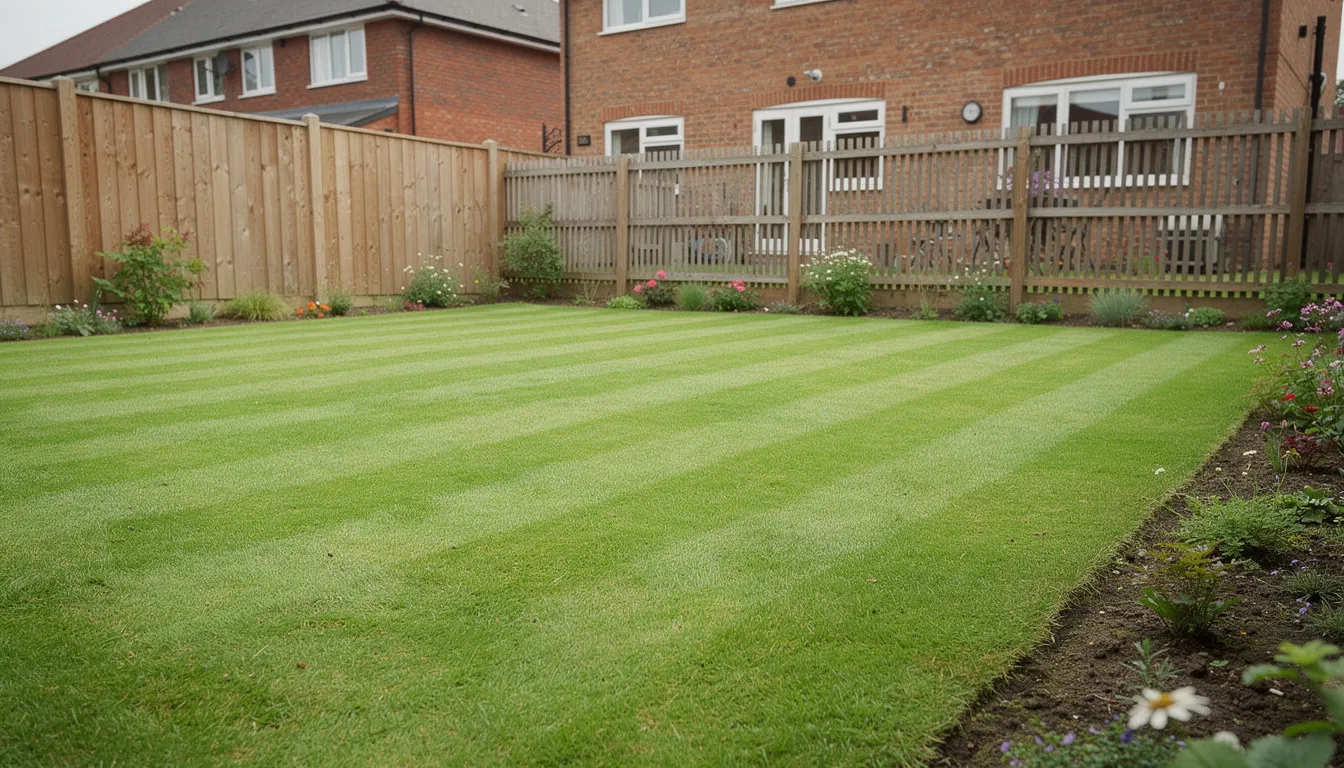
Start Here: Quick Wins for a Perfect Lawn This Season
If you’re reading this in spring or early summer and want fast, visible improvements within the next four to six weeks, start here. These quick wins apply from late March through May but can be adapted for your current season.
Do This Now: Your 4–6 Week Action List
-
First mow at a higher setting: Set your mower to around 4–5cm for your first cut. This protects grass roots after winter dormancy and encourages stronger regrowth.
-
Light scarification: Use a lawn rake or spring-tine scarifier to remove surface thatch and dead grass. Don’t be too aggressive—you’re waking the lawn up, not attacking it.
-
Apply a balanced spring fertiliser: A nitrogen-led lawn feed kickstarts leafy growth and that lush green colour. Slow-release formulas work best for steady results.
-
Over-seed bare patches: Loosen the soil in thin areas, scatter grass seed at around 35–50g per square metre, and keep moist until germination.
-
Water deeply once or twice weekly if dry: Skip the daily sprinkle. Deep, infrequent watering encourages roots to grow downward rather than staying shallow and vulnerable.
-
Edge your lawn: A half-moon edger and long-handled shears create crisp edges that make the whole garden look sharper instantly.
Each of these actions works because it addresses a specific barrier to lawn health. Higher mowing protects stressed roots. Balanced feeding fuels spring GROWTH without burning. Over-seeding thickens the sward so weeds struggle to compete.
If you’d rather have an expert carry out the first big change for you, a GREENER Transformation visit combines soil testing, tailored feed, targeted weed and moss control, and professional scarification—all in one session. Visit grassisalwaysgreener.co.uk to request an assessment.
Planning Your Perfect Lawn: Goals, Lifestyle and Lawn Type
The best lawn for you depends on three things: how you use your garden, how much time you have, and how “perfect” you truly need it to be. There’s no point chasing bowling-green standards if your household includes energetic dogs and football-obsessed children.
Four Realistic UK Lawn Profiles
|
Lawn Type |
What It Looks Like |
Monthly Time Commitment |
|---|---|---|
|
Formal Striped Lawn |
Dense, fine-textured grass with visible stripes, virtually no weeds, crisp edges |
6–8 hours |
|
Family-Proof Play Lawn |
Hard-wearing mix, tolerates heavy use, some clover or daisies acceptable |
3–4 hours |
|
Wildlife-Friendly Nectar Lawn |
Mixed grasses with wildflowers, mown less frequently, paths through longer sections |
2–3 hours |
|
Low-Maintenance “Good Enough” Green |
Healthy but relaxed, occasional weeds tolerated, mown regularly but not obsessively |
2–3 hours |
Before choosing your goal, walk your existing lawn and take notes:
-
Which areas get full sun and which sit in shade for most of the day?
-
Where are the heavy-use routes—paths to sheds, washing lines, or the back gate?
-
Are there soggy patches after rain or dry, thin areas that brown quickly in summer?
The GREENER system adapts to any of these goals by adjusting the intensity of feeding (GROWTH), weed and moss control (POWER), and seasonal recovery support (BOOST). You’re not locked into one vision of perfection.
Understanding Your Lawn: Soil, Grass Types and Problem Spots
Perfect lawns start below the surface. The soil beneath your grass determines how well it drains, how easily roots spread, and how effectively nutrients reach the plants. Get the soil right, and everything above ground becomes easier.
Simple Home Soil Checks
You don’t need a laboratory to understand your soil:
-
Texture test: Take a handful of moist soil and squeeze it. If it forms a sticky ball that holds its shape, you have clay. If it crumbles immediately and feels gritty, you have sand. Something in between that holds loosely then breaks apart is loam—the ideal for growing grass.
-
Drainage test: Dig a hole roughly 15cm deep, fill it with water, and time how long it takes to drain. Under an hour is excellent. Several hours or overnight suggests compaction or clay problems.
-
pH test: Inexpensive kits from garden centres give a rough reading. Most lawn grass thrives between 6.0 and 7.0. Below 5.5, moss often dominates. The UK average sits around 5.5—too acidic for ideal results.
Common UK Soil Issues
|
Problem |
Symptoms |
Why It Matters |
|---|---|---|
|
Heavy clay |
Waterlogging, squelchy underfoot, moss in damp areas |
Restricts air and root growth, creates anaerobic conditions |
|
Sandy soil |
Dries quickly, browns fast in drought, poor nutrient retention |
Water and feed leach away before roots can use them |
|
Compacted soil |
Hard surface, shallow roots, thin grass, bare patches |
Prevents air, water, and nutrients from reaching grass roots |
Typical UK Lawn Grass Species
Most domestic lawns contain a mix of species, often including:
-
Perennial ryegrass (Lolium perenne): Fast-establishing, wear-tolerant, ideal for family lawns
-
Fine fescues (Festuca spp.): Finer texture, better shade tolerance, suits ornamental lawns
-
Smooth-stalked meadow grass (Poa pratensis): Dense growth, good recovery from damage
A blend gives you resilience across different conditions rather than relying on one species that might struggle in shade or drought.
Problem Area Checklist
Walk your lawn and note:
-
Mossy corners (often shaded, compacted, or acidic)
-
Worn paths to sheds, bins, or play equipment
-
Pet urine scorch marks (yellow or brown circles)
-
Thin areas under trees where shade and leaf drop cause problems
-
Waterlogged sections that stay wet for several days after rain
During a GREENER Transformation visit, an expert carries out a detailed assessment including compaction testing and thatch measurement, building a tailored plan for your specific lawn.

Season-by-Season Roadmap to a Perfect Lawn
This is the core of your plan: a clear UK seasonal guide from spring through winter so you know exactly what to do and when. Each section covers mowing, feeding, problem-solving, and how the GREENER GROWTH, POWER, and BOOST treatments fit into your schedule.
The advice assumes a typical UK climate—roughly southern England conditions—but can be adjusted slightly if you’re further north or west where seasons run cooler and wetter.
Spring: Waking Your Lawn Up (March–May)
Spring is when you set the standard for the rest of the year. Winter damage needs repairing, thin areas need thickening, and hungry grass needs feeding to fuel strong GROWTH. Get this season right, and summer becomes far easier.
Mowing in Spring
|
When |
What to Do |
|---|---|
|
Late March / early April |
First cut when growth starts, mower set to 4–5cm |
|
April onwards |
Mow roughly weekly, gradually lowering to 3–4cm for traditional lawns |
|
Throughout spring |
Never remove more than one-third of blade height per cut |
Consistent mowing in spring encourages denser, finer grass that looks genuinely perfect. Each cut stimulates tillering—the process where grass plants produce new side shoots, thickening the sward.
Light Scarification
Use a spring-tine lawn rake or electric scarifier to remove moss and thatch (the layer of dead grass and debris that builds up at soil level). Work in one direction, then cross at right angles. Be gentle on weak lawns—you’re clearing debris, not scalping the surface.
Spring Feeding
Apply a nitrogen-led lawn feed in mid spring (April) to boost leafy growth. Slow-release fertilisers are kinder to lawns and last longer than cheap, fast-burn alternatives that can scorch if misapplied. Aim for around 20–30g per square metre, applied evenly.
Repairing Bare Patches
-
Loosen the topsoil with a fork or rake
-
Mix in compost or lawn-grade topsoil to improve structure
-
Sow a UK-suitable grass seed mix at 35–50g per square metre
-
Firm gently with the back of a rake
-
Water lightly and keep moist until germination (typically 7–21 days depending on temperature)
The ideal time for sowing is April to May when soil temperatures rise and rain is usually reliable.
GREENER’s GROWTH treatment in spring focuses on soil-first nutrition and targeted weed control, so you spend less time guessing which product to buy and more time enjoying results.
Summer: Keeping It Green Under Stress (June–August)
UK summers are increasingly unpredictable. Some years bring weeks of drought; others see heavy rain and humidity. Your aim during the summer months is resilience, not constant perfection.
Mowing in Summer
-
Raise cutting height to around 5cm during hot spells—taller grass shades soil, reducing moisture loss
-
Mow less frequently if growth slows (every 10–14 days is fine)
-
Avoid cutting during the hottest part of the day when grass is stressed
-
Leave grass clippings on the lawn occasionally (mulching returns up to 25% of nitrogen naturally)
Watering Guidance
If you choose to water during drought:
-
Apply 20–25mm once or twice weekly rather than light daily sprinkling
-
Water early morning when evaporation is lowest
-
Use water butts to collect rain and reduce mains usage
-
Focus on high-value areas rather than blanket irrigation
Don’t panic if grass browns in July or August. This dormancy is a natural survival mechanism, and recovery happens quickly when regular rain returns in September. Forcing growth with excessive water and feed during drought creates weak, shallow-rooted turf.
Summer Feeding
A gentler, low-nitrogen fertiliser maintains colour without forcing soft growth that burns or demands constant mowing. Apply in June if needed, but don’t overfeed.
Common Summer Problems
|
Problem |
Cause |
Simple Fix |
|---|---|---|
|
Compaction from play |
Children and garden furniture |
Rotate furniture placement, aerate in autumn |
|
Dog urine scorch |
Nitrogen overload from urine |
Water immediately after, over-seed patches |
|
Barbecue damage |
Heat and spillages |
Move BBQ regularly, repair patches in autumn |
GREENER’s POWER phase in early summer targets weed and moss pressure while the lawn is actively growing, keeping the surface clean without repeated harsh chemical use.
Autumn: The Best Time for Major Improvements (September–November)
Autumn is the ideal UK window for heavy renovation work. The soil remains warm from summer, rain returns reliably, and grass recovers quickly. If your lawn needs significant improvement, this is when to act.
Scarification in Depth
September to October is prime time for thorough scarification:
-
Mow the lawn slightly shorter than usual (around 3cm)
-
Work across the lawn in two directions with a scarifier or heavy-duty lawn rake
-
Remove all debris to your compost heap
-
The lawn will look rough immediately—this is normal
Removing thatch improves air, water, and nutrient movement to grass roots. Research shows proper aeration can boost root depth by 50%, significantly reducing water needs.
Aeration
Compacted soil needs puncturing to let air and water in:
-
Garden fork method: Push a fork in 10–15cm deep every 15cm across the lawn, working backwards
-
Hollow-tine aerator: Removes 2–3cm soil plugs, ideal for heavy clay or high-traffic areas
-
Focus areas: Concentrate on paths, play areas, and anywhere soil feels hard underfoot
Top Dressing
After aeration, spread a thin layer (around 0.5–1cm) of top dressing—typically a mix of sand and loam or a proprietary lawn dressing:
-
Work it into aeration holes and across the surface with a stiff brush
-
Ensure grass tips remain visible; don’t smother the lawn
-
Top dressing levels minor dips, improves drainage, and adds organic matter
Autumn Over-Seeding
The ideal time to sow seed is early September to mid-October:
-
Soil is warm enough for germination
-
Autumn rain reduces watering effort
-
Young grass establishes before winter
-
Match seed type to your lawn goal (hard-wearing family mix vs. fine ornamental)
Autumn Feeding
Apply a high-potassium, lower-nitrogen fertiliser to strengthen grass roots for winter. This is part of GREENER’s BOOST phase, preparing your lawn to resist cold weather and disease pressure through the dormant months.
Don’t forget light edge-cutting and tidying borders so your lawn looks sharp going into winter. Neat edges reinforce that perfect aesthetic even when growth stops.

Winter: Protecting Your Investment (December–February)
UK winter is largely about protection, not active growth. Over-interference during cold weather causes more harm than good.
What to Avoid
-
Walking on frosted grass: Ice crystals inside blades shatter when crushed, creating brown scars visible for weeks
-
Walking on waterlogged turf: Creates muddy paths that compress soil and damage grass roots
-
Heavy equipment: Keep wheelbarrows and machinery off the lawn entirely
Minimal Mowing
You can usually stop mowing from late November through late February. If growth continues during a mild spell, a single light cut on a dry day in January or early February is acceptable—but only if the grass genuinely needs it.
Leaf Management
-
Clear fallen leaves once or twice weekly under trees
-
Thick leaf mats smother grass, blocking air and light
-
Wet leaves encourage disease and moss—add them to your compost heap instead
Winter Planning
Use the quiet months productively:
-
Walk the lawn and note which areas struggled
-
Consider whether drainage work or reshaping is needed
-
Pencil in autumn renovation tasks for the coming year
GREENER’s ongoing Seasonal Care visits can include winter checks, disease monitoring, and planning for the next year’s schedule so you don’t lose momentum.
Mastering Mowing, Edging and Stripes
Mowing technique and edges are what separate an ordinary lawn from a truly perfect one. Most people own a mower; far fewer use it to its full potential.
Cutting Height Matters
|
Lawn Type |
Recommended Height |
Why |
|---|---|---|
|
Formal striped lawn |
2.5–3cm |
Finer appearance, shows stripes clearly |
|
Family/play lawn |
4–5cm |
More resilient, drought-tolerant, hides wear |
|
Wildlife-friendly |
5–8cm |
Supports insects, reduces maintenance |
Creating Stripes
Stripes come from a rear-roller mower bending grass blades in alternating directions:
-
Mow in straight lines up and down the lawn
-
Overlap each pass slightly to avoid missed strips
-
Alternate your starting direction each cut (north-south one week, east-west the next)
-
Keep the same pace throughout for even coverage
Regular Mowing Rhythm
Through the spring and summer months, aim to mow weekly. This keeps the sward dense, discourages weeds, and maintains that carpet-like appearance. Adjust frequency based on weather—more often in warm, wet conditions; less during drought.
Edging Technique
-
Use a half-moon edger to cut a shallow “gutter” along borders—about 5cm deep at a slight angle
-
Remove the cut turf and soil
-
Follow up with long-handled shears for a crisp vertical face
-
Repeat every 2–4 weeks from April to October
Neat edges make the entire garden look smarter, even if the lawn itself isn’t competition-standard.
Feeding, Weeds, Moss and Lawn Pests: Keeping the Surface Perfect
Once mowing is under control, nutrition and problem control keep your lawn richly green and uniform.
Simple Annual Feeding Schedule
|
Season |
Timing |
Feed Type |
Purpose |
|---|---|---|---|
|
Spring |
March–April |
High-nitrogen |
Kickstarts GROWTH and colour |
|
Summer |
June |
Low-nitrogen maintenance |
Sustains without forcing |
|
Autumn |
September–October |
High-potassium |
Strengthens roots for winter |
Slow-Release vs. Quick-Release Fertiliser
-
Quick-release: Fast results but higher burn risk, nutrients wash away in heavy rain
-
Slow-release: Steady feeding over weeks, lower risk, suits busy homeowners
For most gardens, slow-release fertiliser suits a low-fuss perfect lawn far better than aggressive fast-acting products.
Weed Management
Your approach depends on your lawn goal:
-
Relaxed/wildlife-friendly: Tolerate low levels of clover, daisies, and other plants—they support pollinators
-
Formal/striped: Use selective weedkillers sparingly in early spring and early summer when weeds are actively growing
Healthy, dense turf naturally resists weeds by outcompeting them for light, water, and nutrients.
Moss Control
Moss is a symptom, not the root cause. It thrives where:
-
Shade blocks sunlight
-
Soil is compacted and poorly drained
-
pH is too acidic (below 5.5)
-
Fertility is low
Iron sulphate kills existing moss but doesn’t prevent return. Address the underlying issues through scarification, aeration, improved drainage, and lime application (50g per square metre raises pH gradually).
Common UK Lawn Pests
|
Pest |
Signs |
Action |
|---|---|---|
|
Leatherjackets |
Spongy turf, bird damage, yellow patches |
Biological nematode treatment in autumn |
|
Chafer grubs |
Similar to above, badger or fox digging |
Professional diagnosis often worthwhile |
GREENER’s POWER step combines carefully timed weed, moss, and pest control with tailored feeding, so each treatment works together rather than fighting the lawn’s natural cycle.
Perfect Lawn, Greener Choices: Sustainability and Wildlife
There’s growing debate around “perfect” lawns and sustainability. The reassuring truth is that you can have a smart, attractive lawn while still supporting wildlife and reducing environmental impact.
Small, Concrete Compromises
-
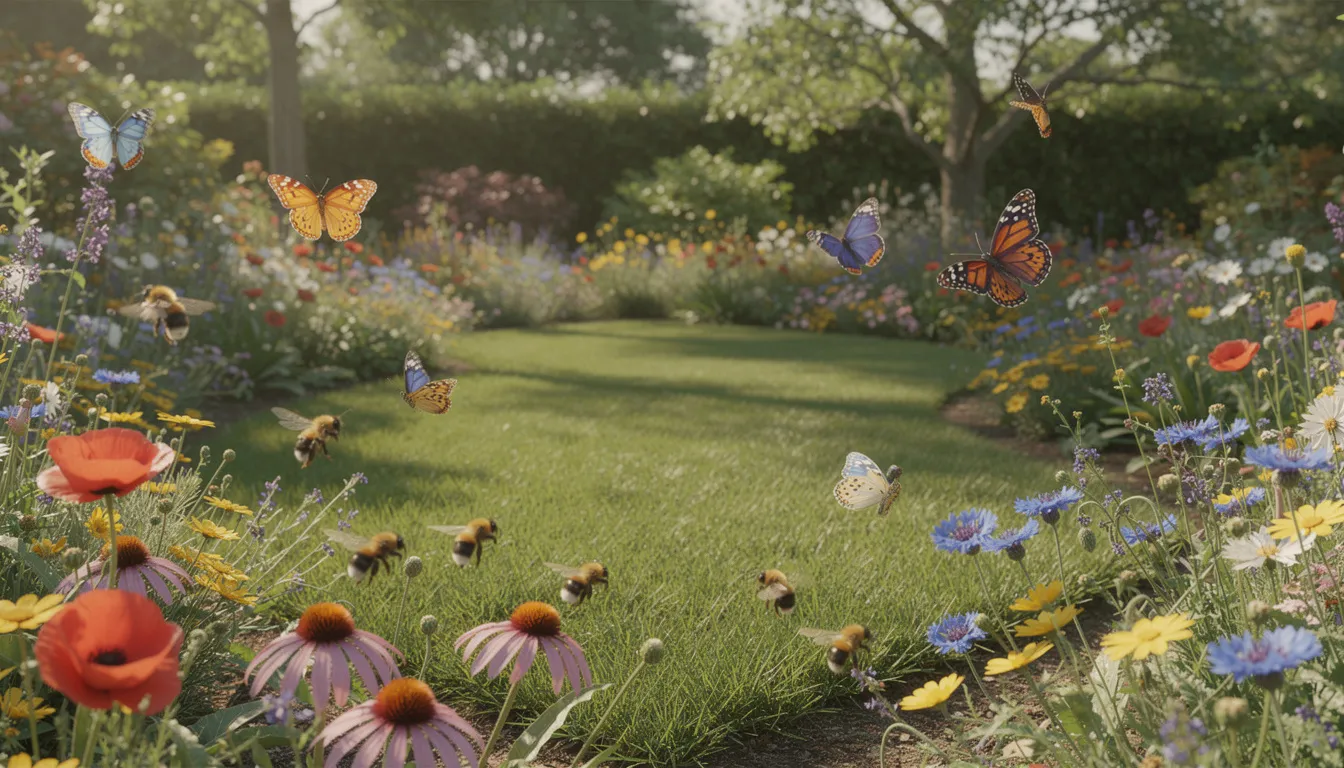
Leave a strip or corner unmown from May to August—this creates habitat for insects and lets native wildflowers bloom
-
Mow paths through longer grass sections for access while keeping wilder areas intact
-
Embrace a “nectar lawn” approach in some areas, cutting every 2–3 weeks and allowing clover to flower
Reducing Chemical Input
-
Use organic or slow-release fertilisers where possible
-
Spot-treat problem weeds rather than blanket-spraying
-
Accept that a few daisies or buttercups add character rather than ruining the lawn
Water-Saving Habits
-
Collect rain in water butts
-
Water only high-value areas during severe drought
-
Accept brief summer browning as normal—grass recovers
Real Lawns vs. Hard Surfaces
A well-managed real lawn delivers benefits that paving or artificial turf cannot:
-
Carbon storage: Healthy lawn grass sequesters 2–4kg of carbon dioxide per square metre annually
-
Cooling effect: Natural grass stays significantly cooler than artificial alternatives (which can be 10–15°C hotter in summer)
-
Habitat: Soil beneath lawns hosts beneficial microbes, earthworms, and provides foraging areas for birds
The Artificial Turf Question
Artificial turf eliminates moss and patches but comes with ongoing considerations:
|
Factor |
Real Lawn |
Artificial Turf |
|---|---|---|
|
Temperature |
Cool underfoot |
Can be 10–15°C hotter |
|
Wildlife value |
Supports soil life, birds, insects |
None |
|
Maintenance |
Mowing, feeding, seasonal care |
Cleaning, brushing, occasional replacement |
|
Environmental impact |
Carbon storage, natural drainage |
Microplastic shedding, eventual disposal |
|
Initial cost |
Lower |
Higher |
GREENER’s approach focuses on getting the lawn so healthy and dense that it naturally resists many problems, reducing the long-term need for harsh interventions. A thriving natural environment in your garden delivers benefits that no artificial alternative can match.
From Patchy to Perfect: How GREENER Helps You Get There
Picture the typical UK lawn at the start: bare patches where seed never took, moss creeping in from shaded corners, weeds establishing wherever the grass is thin, and a shed full of half-used products that never quite delivered. Sound familiar?
The GREENER Transformation Visit
Your journey starts with a detailed lawn and soil assessment. A GREENER expert will:
-
Test compaction levels and measure thatch depth
-
Identify shade issues, drainage problems, and soil deficiencies
-
Note heavy-use areas and pet damage
-
Build a tailored plan specific to your garden
The first wave of corrective treatments typically includes professional scarification (or recommendations if DIY is preferred), targeted fertiliser matched to your soil test results, and integrated weed and moss control that addresses causes rather than just symptoms.
Seasonal Care: GROWTH, POWER, BOOST
After Transformation, the GREENER system follows the seasonal rhythm outlined throughout this article:
-
GROWTH (Spring): Soil-first nutrition to kickstart root expansion and leafy growth
-
POWER (Early Summer): Weed and moss control while the lawn is actively growing
-
BOOST (Autumn): Root-strengthening preparation for winter hardiness
This removes the guesswork entirely. No more standing in a garden centre in April wondering which fertiliser, which weedkiller, or whether now is even the right time.
What to Expect
Most lawns show a noticeable change within 4–6 weeks of starting. Major transformations—turning patchy, weedy turf into a genuinely beautiful lawn—typically take one full growing season from March to October. With consistent Seasonal Care, results compound year on year.
Ready to stop guessing and start seeing results? Visit grassisalwaysgreener.co.uk to request an assessment and begin your own lawn transformation. Whether you want a formal striped lawn, a tough family play area, or simply a healthier, greener space, GREENER provides the expertise and the products to get you there—with the minimum amount of effort on your part and maximum impact in your garden.


