


Introduction: How to Use This UK Lawn Care Calendar
If you have ever stared at your lawn wondering what you should actually be doing this month, you are not alone. Most homeowners want a thicker, greener lawn but find themselves lost in conflicting advice, missed windows and confusing feeding schedules. This practical, UK-specific lawn care calendar is designed to change that.
The advice here is based on typical UK weather patterns: cool, wet winters; mild and often damp springs and autumns; and increasingly dry summers. Of course, your local conditions matter. A garden in the Scottish Highlands will warm up later than one in the South East of England, so adjust timings by a week or two as needed.
Throughout this guide, you will see references to the GREENER system, a premium, results-driven approach that simplifies lawn care into clear steps. The system works in two parts: Transformation (for repair, renovation and deep fixes) and Seasonal Care using three core treatments: GROWTH (fertiliser for feeding), POWER (weed and moss control) and BOOST (conditioning and recovery). Each monthly section explains the key jobs, why they matter and how GREENER-style treatments can be timed for best results.
Follow this care calendar month by month and you will solve the common problems that frustrate UK homeowners: patchy grass, moss invasion, weeds and the constant question of when to feed.
January: Protect, Plan and Prepare
Grass growth is minimal across the UK in January. Soil temperatures typically hover below 6°C, which means your lawn is dormant and the priority is protection and planning rather than heavy work.
Why you should avoid walking on frozen or waterlogged grass:
-
Frost makes grass blades brittle; walking on them bruises and snaps cells
-
Footprints on frozen turf can leave permanent brown scars
-
Compaction on saturated clay soils (around 40% of UK gardens) damages soil structure and grass roots
-
Use paths and patios instead during the winter months
Your January health check:
On a dry day, take a walk around the lawn and note:
-
Mossy areas (especially in shade or damp corners)
-
Persistent puddles suggesting drainage problems
-
Shady, thin patches under trees or near fences
-
Heavy-wear zones like goal mouths or washing line routes
These notes form the basis of your spring and autumn renovation plans.
Tool preparation:
|
Task |
Why it matters |
|---|---|
|
Sharpen or replace mower blades |
Sharp blades reduce tearing and disease risk |
|
Check cables and batteries |
Avoid delays when the growing season starts |
|
Clean the mower deck |
Prevents rust and ensures smooth operation |
|
Inspect rake, fork, spreader and edging shears |
Ready for spring aeration, edging and feeding |
|
This is also a great time to map out a Transformation plan if your lawn is in poor condition. A full renovation is best done in late August or September, so use January to read up on the GREENER system and understand when to use GROWTH, POWER and BOOST through the year. |
|
February: Inspect, Tidy and Get Ahead
Late winter in many parts of the UK brings milder spells. Use these windows to inspect and tidy, not to overwork the lawn.
Light tidying on dry days:
-
Gently rake off twigs, dead leaves and debris to improve airflow and light
-
Avoid heavy raking or scarifying while the lawn is soft or frosty
-
Do not walk on grass when frost lingers
Assessing moss and thatch:
Check damp, shady lawn areas for moss and thatch build-up. Make notes now because these areas will be the priority for April POWER treatments. Around 60% of UK lawns are affected by moss in winter according to RHS surveys, so you are not alone if your lawn looks more green cushion than green carpet.
Edging and early tasks:
In milder southern regions where soil is firm, you can lightly trim lawn edges with a half moon edging iron to reduce work later. Cooler northern or exposed areas may still need to wait.
Planning your spring feeding strategy:
GREENER-style GROWTH fertiliser is usually started once soil temperatures are consistently above about 8–10°C, which is often late March or April in much of the UK. Use February to:
-
Gather grass seed, topsoil or lawn dressing
-
Acquire a decent spreader
-
Research the best grass seed for UK lawns for your conditions
Getting these supplies now means you are ready to repair bare patches and overseed as soon as soil warms.

March: Wake-Up Phase – First Cuts and Early Feeding
March is the turning point. Soil starts to warm, especially in the South and West, but cold snaps and frosts are still possible. This is when spring lawn care truly begins.
When to do the first mow:
-
Wait until grass is clearly growing and the ground is firm
-
Set the mower high (around 5–7cm) for the first pass to avoid scalping
-
Brush or lightly rake away worm casts before mowing to protect mower blades and prevent smearing soil over the grass surface
Seeding considerations:
Early March is often still too cold for seed in most of the UK. Wait until mid-to-late March when:
-
Night frosts ease
-
Soil no longer feels icy to the touch
-
Temperatures begin to rise consistently
Grass seed germinates in 7–14 days once soil reaches around 8°C.
Starting your first GROWTH feed:
In milder regions (South of England, coastal Wales), you can start the first light lawn feed in late March using a balanced spring fertiliser to kick-start colour and density. Colder areas should hold off until April.
Mark your problem areas:
Use this month to mark out bare patches and thin spots. These can be targeted for repair with lawn seed once soil reliably warms later in spring.
April: Core Spring Work – Feed, Treat, Repair
April is one of the busiest and most important months in the UK lawn care calendar. Consistent grass growth, fewer frosts and ideal soil conditions make this prime time for feeding and weed and moss control.
Applying GROWTH fertiliser:
-
Apply a GROWTH fertiliser across the whole lawn to boost colour, density and root development
-
Spread evenly using a calibrated spreader
-
Apply just before light rain or water in afterwards
Using POWER treatments for weeds and moss:
-
Combined weed-and-feed or moss control products work well now
-
Always follow label rates
-
Avoid application during drought or hard frost
-
Never rake or scarify living moss before treating it (this spreads spores)
-
Treat moss first, then 1–2 weeks later rake out the blackened dead material
Light scarifying for established lawns:
Once the lawn is actively growing, light scarifying removes thatch (that spongy layer that blocks 30% of water infiltration when over 5mm thick). This opens the surface so new grass can thicken.
Preparing for overseeding thin areas:
-
Lightly rake to create a fine tilth
-
Spike with a garden fork for aeration
-
Sprinkle a thin layer of lawn dressing or sieved topsoil as part of a lawn topdressing routine in the UK
-
Apply quality grass seed suitable for UK conditions (around 25g per square metre for repairs) – see guidance on the best time of year to reseed your lawn in the UK
-
Keep newly seeded areas evenly moist with gentle watering
Newly seeded areas should not receive strong POWER weedkillers until at least 8 weeks after germination.
April: First Regular Mowing Pattern
April often brings rapid growth, so mowing frequency now strongly influences lawn thickness.
Moving to a regular mowing routine:
-
Switch from occasional cuts to weekly mowing as soon as growth allows
-
Never remove more than a third of the grass height in a single cut
-
Regular mowing, combined with GROWTH feeding, naturally suppresses many annual weeds by preventing them from seeding
Recommended cutting heights:
|
Lawn type |
Height |
|---|---|
|
Family lawn |
3–4cm |
|
Ornamental lawn |
2–3cm |
|
Dry conditions |
Increase slightly |
|
Sharp blades are essential for a clean cut that reduces disease risk and edge browning. |
|

May: Thickening Up – Mowing, Feeding and “No Mow” Choices
May is peak growth in much of the UK. Your lawn responds quickly to care now, and this is when a good April programme really shows results.
Mowing frequency and height:
-
Mow at least once a week
-
For pristine lawns, mow 2–3 times weekly
-
Maintain sensible cutting heights even when grass is racing away
-
Avoid scalping at all costs
Follow-up feeding:
A follow-up light GROWTH feed in late May maintains an even, rich green lawn into summer, provided the lawn is actively growing and not under drought stress. Slow release fertiliser options work well here, feeding steadily without surge growth.
Dealing with surviving weeds:
Any surviving broadleaf weeds can now be spot-treated with selective POWER weed killer. Take care to:
-
Avoid drift onto borders
-
Skip new seed or turf areas until fully established
Completing patch repairs:
Finish overseeding and patch repairs by late May in most regions. This allows new grass to establish before hotter weather arrives.
A note on “No Mow May”:
If you want to support pollinators, consider leaving a section of lawn longer for wildlife. GREENER-style feeding can still be used across the whole existing lawn, but cutting regimes can differ between “wild” and “lawn” areas. Be aware that skipping all cuts risks thatch buildup once you resume mowing.
May: Watering and Early Dry Spells
May can swing from wet to unexpectedly dry, particularly in the South and East of England.
Watering guidance:
|
Lawn type |
Approach |
|---|---|
|
Established lawns |
Usually cope with short dry spells without watering |
|
Newly seeded or turfed areas |
Must not be allowed to dry out completely |
|
For watering, choose deep, occasional sessions in the early morning or late evening rather than frequent, light sprinkles. This encourages deep grass roots and reduces evaporation. |
|
During any prolonged dry weather, slightly raise mowing height to shade the soil and reduce scorch.
June: Summer Management – Heat, Mowing and Colour
June brings longer days and, increasingly, early heatwaves. The focus shifts to protecting the gains you made in spring.
Adjusting your summer lawn care:
-
Continue regular mowing
-
Raise cutting height to around 4cm+ on family lawns as temperatures rise
-
Higher grass shades the soil and retains moisture
Feeding adjustments for dry weather:
If conditions turn hot and dry, pause granular GROWTH fertiliser. Feeding a stressed lawn increases scorch risk. Instead, consider lighter, more frequent BOOST-style liquid feed applications if the lawn is still being watered.
Spotting early drought stress:
-
Dull, grey-green colour
-
Footprints that linger in the grass
-
Curling leaf tips
-
Problems appear first on sunny, sandy or sloped areas
Water-saving tips:
-
Prioritise watering for high-visibility or high-wear areas (near patios, paths)
-
Use water butts and stored rainwater where possible
-
Leave thin clippings on the lawn during dry periods (mulching) to return moisture and nutrients
June: Enjoyment vs Wear and Tear
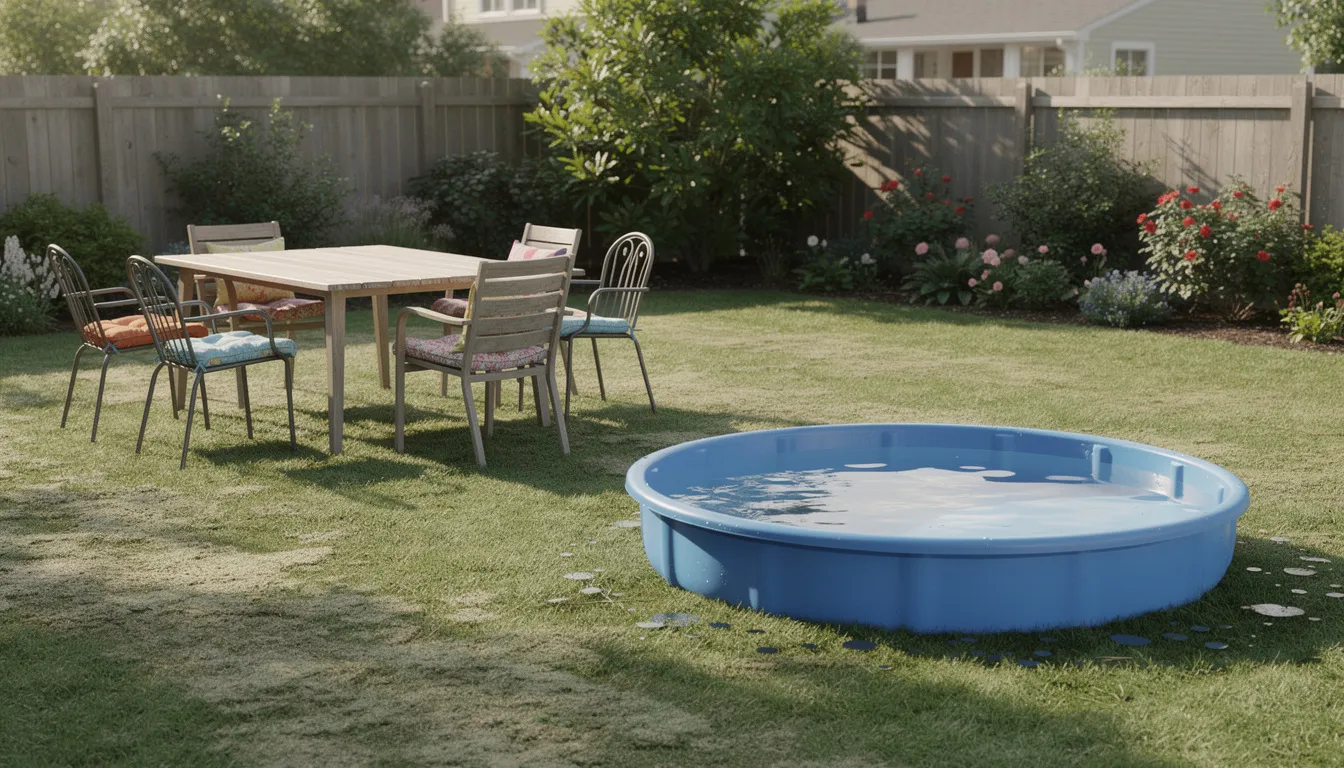
June lawn care must balance a lush lawn with the realities of garden living. This is prime “outdoor month” with more footfall, paddling pools and furniture on the grass.
Protecting your lawn:
-
Move furniture, trampolines and slides frequently to avoid yellow squares
-
Use small stepping stones or paths across heavily trafficked shortcuts
-
Any damage created now can be renovated in early autumn using a GREENER-style Transformation plan
July: Coping with Heat and Drought
July is often the hottest, driest month in many parts of the UK. July lawn care shifts from chasing a perfect green lawn to protecting the plant.
Understanding dormancy:
Grass naturally browns and goes dormant in drought. This is usually temporary if the lawn was healthy going into summer. Do not panic about temporary browning.
Adjusting your routine:
-
Raise mowing height further
-
Reduce mowing frequency, or even skip cuts altogether during severe drought
-
Avoid strong POWER weedkillers and heavy GROWTH fertiliser in hot, dry conditions (these can scorch stressed grass)
-
Keep traffic to a minimum on struggling turf
Watering wisely:
If watering is allowed and affordable, deep, infrequent watering (once or twice a week) is better than daily light sprinkling. Always follow any hosepipe bans or local regulations.
Protect the soil by keeping grass longer and limiting traffic, so your lawn can recover quickly when rain returns.
July: Spot Treatments and Pests
Summer warmth can bring issues like leatherjackets, chafer grubs or ant mounds.
Signs of pest problems:
-
Unusual bird activity pecking at the lawn
-
Spongy areas that lift easily
-
Bare, chewed patches
Nematode treatments can control grubs with around 80–90% efficacy when applied at soil temperatures of 12–20°C. If you suspect widespread pest damage, consult professional advice rather than guessing with off-the-shelf products.
Many cosmetic issues (dry patches, compacted goal mouths) are better addressed with a structured Transformation in early autumn than repeatedly patching in midsummer.
August: Late Summer Reset and Autumn Planning
August often sees a mix of continued heat and the first meaningful showers. This is the bridge between summer survival and autumn repair.
Mowing adjustments:
-
Gently lower mowing height again if cooler, wetter conditions return
-
Keep height slightly higher than spring levels to protect the sward
Noting problem areas:
Survey your lawn and note:
-
Persistent bare patches
-
Compacted lanes (washing line routes, shortcuts)
-
Mossy or shady corners
These will be the priority for September renovation. For step‑by‑step help, explore GREENER’s lawn care how‑to guides.
Late summer feeding:
On irrigated lawns or in cooler, wetter regions, a light BOOST or GROWTH feed in mid-to-late August helps the lawn bounce back before the main autumn work.
Planning your autumn Transformation: (for a broader seasonal overview, see this UK lawn care calendar by season)
Now is the time to:
-
Book scarifying hire or services
-
Buy quality lawn seed
-
Set aside a weekend for aeration and overseeding in September
August: Holiday Recovery
Many people return from holiday to find long, flopped-over grass. August lawn care often involves recovery work.
How to tackle overgrown grass:
-
Never take an overgrown lawn back to its normal cutting height in one go
-
Reduce height gradually over 2–3 cuts a few days apart
-
Clear toys, paddling pools and furniture immediately to allow squashed areas to recover light and air
Yellow squares left by objects usually regreen with regular watering and gentle mowing. Badly damaged areas can be targeted in September with fresh seed.
September: Main Renovation Month – Scarify, Aerate, Overseed
September is arguably the most important month in the UK lawn care calendar for serious lawn improvement. Warm soil, cooler air and dependable showers create ideal conditions for autumn renovations.
The typical Transformation sequence:
-
Mow your lawn short (but not scalped)
-
Scarify to remove thatch and weeds and moss debris
-
Rake up all debris thoroughly
-
Hollow-tine or spike to relieve compaction and improve drainage
-
Overseed with an appropriate seed mix
Choosing the right seed:
|
Lawn type |
Seed mix |
|---|---|
|
Family/hard-wearing lawn |
Perennial ryegrass dominant |
|
Ornamental/fine lawn |
Fescue blends |
|
Shaded areas |
Shade-tolerant mixes |
|
Spread seed evenly at the recommended rate and lightly rake or brush into the surface. |
|
Autumn feeding:
Apply an autumn-leaning GROWTH fertiliser (higher in potassium, moderate nitrogen) to support root development and disease control before winter.
Aftercare for new seed:
-
Keep newly seeded areas consistently moist for the first 2–3 weeks
-
Protect from heavy foot traffic and football games
-
Remove fallen leaves regularly so they do not smother new seedlings
Statistics show around 80% germination success in autumn compared to just 50% in spring, making September the prime window for a new lawn or major repairs.
September: Dealing with Moss and Shade
September is an excellent time to tackle chronic moss problems revealed over the previous winter and spring.
Moss control approach:
-
Apply POWER moss control ahead of or as part of renovation
-
Remove dead moss through scarifying once it has blackened (usually 10–14 days after treatment)
Addressing root causes:
Moss thrives where conditions favour it:
-
Poor drainage
-
Dense shade
-
Low cutting height
-
Compacted soil
Practical fixes include thinning low branches, improving aeration with a garden fork, and adjusting mowing height.
In very dense shade (under mature trees, north-facing walls), it may be more realistic to switch to shade-tolerant planting or bark rather than fighting constantly for a thriving lawn.
October: Autumn Care – Strengthening Before Winter
October often extends the renovation window in much of the UK, especially in the South and near coasts. Cooler areas may already be slowing down.
Completing autumn work:
-
Finish any remaining scarifying, aeration and overseeding early in the month
-
New grass needs time to establish before cold weather arrives
-
Apply a final autumn GROWTH or BOOST feed if not already done in September
Leaf management:
-
Collect fallen leaves regularly
-
Thick, wet leaf mats encourage fungal diseases, moss and bare patches by blocking light and air
-
Use a mower with a collection box as a “leaf hoover” for efficiency
Mowing adjustments:
-
Gradually raise mowing height through the month
-
Reduce mowing frequency as growth slows
-
Aim for a final cut at around 4–5cm going into winter
Tidying lawn edges:
Retrim lawn edges where necessary so the lawn looks crisp even as grass growth slows.
October: Drainage and Wet Patches
October rain often reveals drainage problems ahead of winter. October lawn care should include observation.
Identifying problem areas:
Watch where water lingers for more than a day after rain. These spots often need:
-
Extra aeration with repeated spiking
-
Brushing sand or topdressing into the holes to improve infiltration
Major drainage issues (clay subsoil, water from neighbouring land) may require professional design. Getting advice now prevents long-term damage to your lawn and healthy soil structure, and you can also lean on the experience of a straightforward UK lawn care service like GREENER.
November: Tidy, Protect and Final Feed
Grass growth is now slowing across the UK but has not stopped completely, particularly in milder coastal or southern regions.
Final feeding:
Apply one final light GROWTH or autumn BOOST feed early in November if the lawn is still growing and conditions are mild. This carries colour and health into winter.
Mowing guidance:
-
Mow only as needed
-
Use a high setting
-
Only mow when the ground is firm and grass is dry enough to avoid clumping and rutting
Debris clearance:
Keep the lawn clear of fallen leaves, fallen fruit and debris to prevent smothering and fungal diseases like snow mould. Using the lawn mower as a “leaf hoover” works well where appropriate.
Protecting the turf:
Start limiting traffic on saturated or frosty lawns. Compaction and ruts created now will show as bare patches in spring.
November: Winter Readiness Check
November is the time to make sure the garden, not just the lawn, is ready for winter.
Equipment storage:
-
Store hoses, sprinklers and non-weatherproof garden tools somewhere dry
-
Drain irrigation systems where relevant
-
Give the mower one last clean
-
Store with fuel and batteries managed according to manufacturer guidance
Progress photos:
Take quick photos of your lawn now. Compare these against spring improvements after following this month lawn care calendar for a full year round cycle.
December: Minimal Disturbance and Looking Ahead
December is a rest period for your lawn. The goal is protection, not progress.
Staying off the grass:
Avoid walking on frozen or waterlogged turf during the cold weather. Each footprint on frozen grass blades can leave brown scars later. December lawn care is about restraint.
Light tasks only:
On suitable days, limit yourself to:
-
Removing recent leaves
-
Checking that drainage channels and paths are clear
-
Ensuring no heavy items are left on the turf
Reviewing the year:
Use this quiet month to review what worked well (September renovation, April feeding) and where the lawn still struggles (heavy shade, drainage). Refine your plan for next year, and consider whether a garden care subscription in the UK could simplify your seasonal routine.
Looking ahead:
This is the perfect time to explore GREENER’s approach and seasonal plans at grassisalwaysgreener.co.uk. Reading what real gardeners think about a lawn subscription kit and whether it’s worth it can also help you decide if this route suits you. Starting a structured Transformation and Seasonal Care programme in the new year sets you up for your best lawn care year yet.

Summary: Year-Round Lawn Success with GREENER
Consistent, seasonally-appropriate care is more effective than occasional big efforts. This month by month lawn care calendar UK guide takes the guesswork out of timing, so you always know what your lawn needs and when.
How the GREENER system fits the year:
|
Season |
Focus |
GREENER treatments |
|---|---|---|
|
Early autumn |
Transformation (scarify, aerate, overseed) |
Full renovation system |
|
Spring |
Feeding and encourage healthy growth |
GROWTH fertiliser |
|
Spring/summer |
Weed growth and moss control |
POWER treatments |
|
Year round conditioning |
Recovery and strengthening |
BOOST applications |
|
Problems this calendar solves: |
|
|
-
Patchy grass and bare patches
-
Persistent weeds and moss
-
Confusing feeding schedules
-
Drought damage and recovery
-
Disease control and prevention
-
Understanding root development and healthy soil
With this care calendar as your guide, achieving a lush lawn becomes straightforward. No more guessing when to apply lawn treatments or wondering why your neighbour’s grass looks better than yours.
Ready to start your lawn transformation?
Visit grassisalwaysgreener.co.uk to explore the GREENER system, learn how eco‑friendly lawn care subscription packs reduce waste and chemicals, compare the real cost of a healthy lawn with subscription vs DIY, get tailored UK advice and let GREENER remove the trial-and-error from your lawn care. Your lawn grow journey starts with a single click.


