


Spring is the season of fresh starts, and your garden is no exception. The spring months are crucial for yard maintenance, as this is the ideal time to begin caring for your lawn in spring to ensure healthy growth throughout the year.
After months of cold, wet weather, March and April mark the perfect time to assess the damage, clear the debris, and set your lawn in spring up for a summer of lush growth. Whether you’re dealing with moss, bare patches, or soil that’s been compacted by winter rain and footfall, this guide walks you through everything you need to know about spring lawn maintenance in the UK.
Start with a quick spring yard check-up
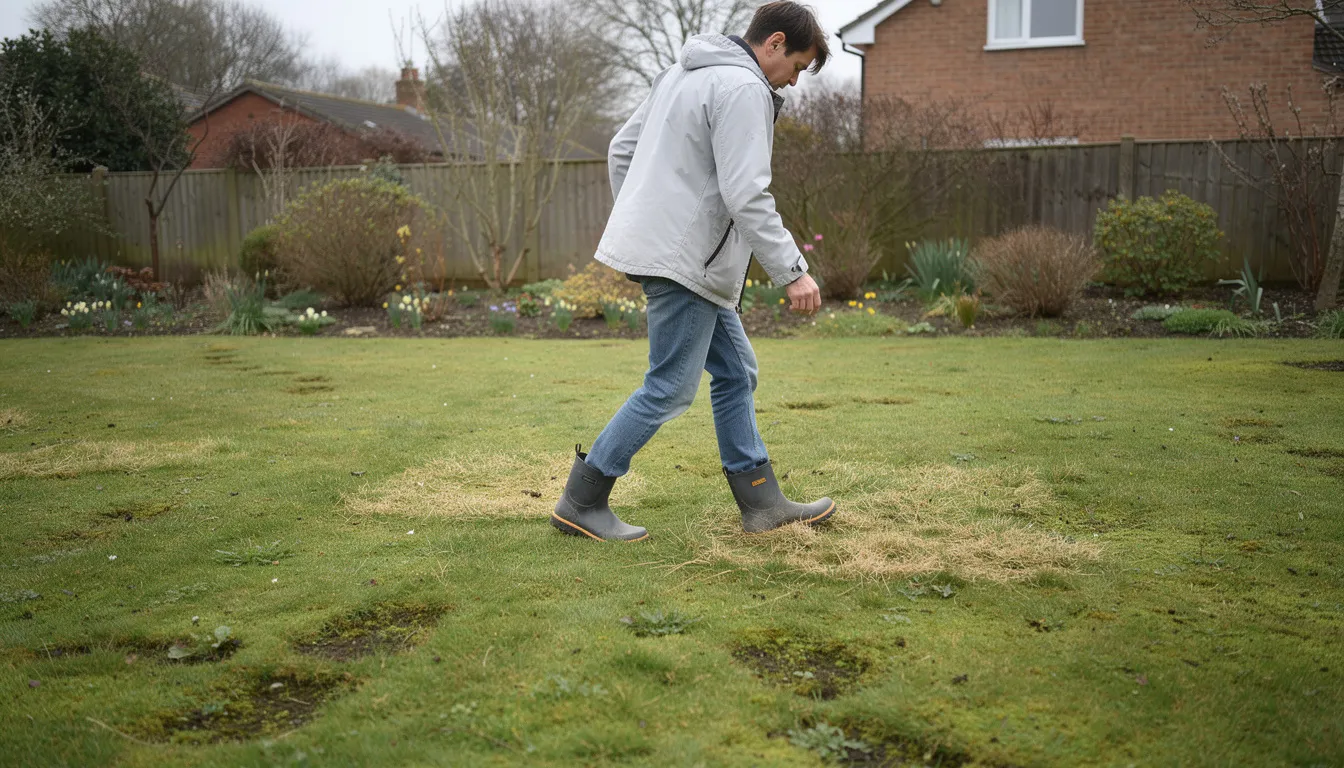
Before you grab any tools or products, take a slow walk around your garden. Early spring – typically mid March through April in most of the UK – is when you reset the whole lawn and yard after winter’s battering. This quick assessment takes ten minutes but saves hours of guesswork later.
Your goal is simple: spot the problems so you can fix them properly. Look for standing water, areas where grass is thin, patches dominated by moss, and sections that stay soggy long after rain stops. These clues tell you exactly which jobs need doing and in what order.
-
Note where bare patches have appeared over winter, especially along paths, under trees, or where children play
-
Identify shaded areas where moss has taken hold – these often need extra attention with scarifying and targeted treatment
-
Check for compacted soil by pushing a garden fork into the ground; if it resists, aeration is essential
-
Look at borders and edges to see where grass has crept into flower beds or hard surfaces
Spring timing matters because the soil is warming and grass starts growing again. Anything you do now – feeding, overseeding, aerating – gives your lawn months to establish before summer heat and family use put it under pressure. For a wider view of what to do throughout the year, our lawn care calendar for each season in the UK shows how spring jobs fit into your overall routine. Research shows grass resumes active growth when soil temperature hits around 10°C, which typically happens between March and April across most of the UK.
This is where GREENER becomes your trusted guide. Our Transformation programme addresses the issues you’ve just spotted, while Seasonal Care with GROWTH, POWER and BOOST keeps your lawn thick and resilient throughout the year. No guesswork, no conflicting advice – just a clear path to the healthy lawn you want.
Clear winter debris and tidy hard surfaces
The first physical job in spring yard maintenance is clearing away everything winter left behind. From March onwards, fallen leaves, twigs, and general debris need removing so your grass and borders can dry out and breathe properly.
A thorough clear-up does more than make things look tidy. Dead grass and wet leaves left on the soil surface create ideal conditions for fungal diseases and lawn weeds. Removing them allows sunlight and air to reach the ground, kickstarting healthy growth.
-
Use a spring-tine rake across the whole lawn, working in overlapping passes to lift flattened grass and expose any matted thatch or moss lurking beneath
-
Switch to a stiff brush or leaf blower for patios, paths, and decking, paying special attention to corners where organic matter accumulates
-
Sweep hard surfaces to remove slippery algae and moss that builds up over winter – a gentle patio cleaner helps stubborn patches, though avoid run-off onto grass where possible
-
Clear gutters and drains around the garden to prevent waterlogging once spring rain arrives
This raking also doubles as a light scarify, revealing just how much moss and thatch needs dealing with later. You’ll likely be surprised by what comes up – and that’s perfectly normal after a typical UK winter. As you improve the surface, lawn topdressing to boost soil health and root growth can be a powerful next step in thickening and strengthening your grass.
Mowing in spring: when to start and how short to go
Knowing when to start mowing is one of the most common questions in spring lawn care. Once the spring grass has started to grow, it's time to get the mower out. The answer depends on your local conditions, but in most UK gardens you can plan the first cut between mid March and mid April, once the soil is no longer waterlogged and overnight frosts have eased.
The key principle is the one-third rule: never remove more than a third of the grass blade in any single mow. After winter dormancy, your grass needs gentle treatment. Cutting too short too soon stresses the plants and gives weeds an advantage.
-
Set your mower to its highest setting for the first cut, aiming to cut off no more than one-third of the grass blade length. Gradually move to a lower setting as the grass becomes more established through April and May to promote healthy lawn growth.
-
Mow once a week initially, increasing to twice weekly during peak growth in late spring when grass grows fastest
-
Avoid mowing when the lawn is frozen, waterlogged, or very wet – this prevents ruts, compaction, and scalping
-
Sharpen your mower blades before the first cut to ensure clean cuts rather than tearing, which causes yellow tips and invites disease
-
For a new lawn sown last autumn, wait until grass reaches 5–7cm tall, then give a very light trim on the highest setting
Regular mowing throughout spring encourages the grass to tiller (produce side shoots), creating a denser sward that naturally helps prevent weeds from establishing.
Wildflower-friendly areas vs close-cut lawns
Not every inch of your garden needs to be a pristine, close-cut lawn. Many UK homeowners are embracing a mixed approach: keeping main play and entertaining areas as a dense, regularly mowed lawn while allowing one corner or strip to grow longer for wildflowers and pollinators.
This “No Mow” approach works best when it looks intentional rather than neglected. Plan your wilder area before the weather warms and growth accelerates, and consider how eco‑friendly lawn care practices that reduce waste and chemical use can support wildlife while keeping your main lawn healthy.
-
Mow clear paths through longer grass so the whole garden still feels maintained and accessible
-
Keep edges crisp with a half-moon edger or shears to create visual contrast between areas
-
Cut the wildflower section once in late summer (July to August), removing clippings to keep soil fertility low and encourage more flowers the following year
-
Apply GREENER’s GROWTH feed to your main lawn as normal – simply leave the wildflower area unfed to support diverse plant growth
This approach benefits wildlife while reducing your overall mowing workload. It’s a win for both your garden and local biodiversity.
Edging, borders and overall lawn shape
Few things transform a garden’s appearance faster than crisp, defined edges. Even before your grass fully thickens in spring, clean borders make everything look professionally maintained.
The contrast between a sharp lawn edge and planted borders creates visual impact that elevates the whole garden. It also makes ongoing maintenance easier – clean edges are simpler to mow around without needing a strimmer for every cut.
-
Use a half-moon edging iron or sharp spade in March or April to redefine boundaries between lawn and beds
-
Cut a small trench or “gutter” of 5–8cm depth along each edge – this keeps the line sharp and prevents grass creeping into borders
-
Remove any grass that has spread into flower beds or onto paths during winter
-
Follow up after each mow with long-handled edging shears to trim overhanging blades for a premium finish
-
Pay special attention to edges around patios and paths, where contrast between grass and hard surfaces should be sharpest

Dealing with moss, weeds and compacted soil
Moss and weeds explode in early spring for good reason: damp soil, shade, and thin grass from winter all give them an advantage over your lawn. According to the Royal Horticultural Society, over 60% of UK lawns suffer from moss invasion in spring, particularly in shaded areas and where drainage is poor.
Understanding why these problems occur helps you tackle them effectively. Moss thrives in acidic, compacted, poorly-drained soil. Weeds exploit bare patches and thin turf. Weed control should start early in spring, particularly around perennials, to prevent spreading. The solution isn’t just treating symptoms – it’s creating conditions where grass outcompetes everything else.
-
Lightly scarify in March or April using a spring-tine rake or powered scarifier to remove moss and thatch, especially in damp, shaded areas
-
Be gentler on very weak lawns – aggressive scarifying can do more harm than good when grass is struggling
-
Aerate compacted sections with a garden fork or hollow-tine aerator, creating 7–10cm deep holes to let air, water, and nutrients reach grass roots
-
Focus aeration on high-traffic routes, paths across the lawn, and play areas where soil compression is worst
-
Hand-weed isolated dandelions and plantain rather than blanket-treating the whole lawn with chemicals
-
Consider selective weed controls only if broadleaf lawn weeds dominate and you want a classic all-grass look
-
Use an all-in-one lawn feed, weed, and moss killer to treat moss and weeds simultaneously and improve lawn health; these products combine nutrients with moss killer and weed control for a stronger, greener lawn.
GREENER’s POWER treatment is specifically designed to tackle persistent moss and weed problems while protecting your grass and building long-term soil health. It addresses the underlying issues rather than just masking symptoms.
When and how to scarify safely
Scarifying sounds aggressive, and it temporarily is – but done correctly, it’s one of the most beneficial things you can do for a mossy, thatchy lawn. The ideal time is a dry day from late March to late April, when grass is actively growing and can recover quickly.
Yes, your lawn will look rough immediately afterwards. Patches of bare soil will show where moss once dominated. This is completely normal and exactly what should happen.
-
Work in one direction first, then make a lighter pass at right angles for very thatchy lawns
-
Avoid aggressive depth settings on thin or newly established lawns
-
Collect and compost the debris rather than leaving it on the soil surface
-
Expect to need overseeding and feeding after scarifying – the bare areas you’ve created are opportunities for new grass to establish
Scarifying removes the spongy layer of dead material that stops water, air, and lawn feed reaching your soil. It’s an essential step in the GREENER Transformation process, naturally leading into our GROWTH and BOOST treatments that help your lawn recover stronger than before. After scarifying, reseeding your lawn at the best time of year in the UK helps new grass quickly fill the gaps and outcompete returning moss and weeds.
Feeding the lawn: spring fertiliser and GREENER’s system
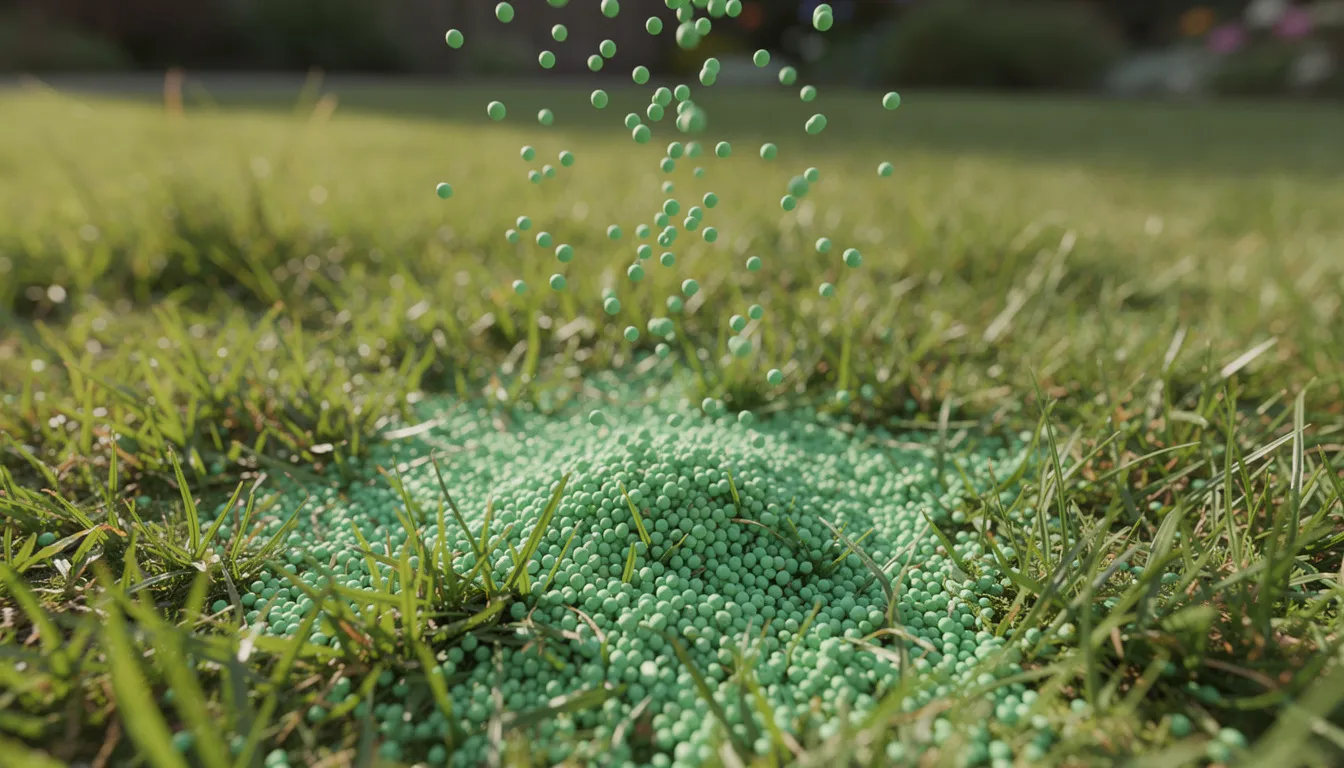
March and April are the key months for applying your first spring lawn feed in the UK. Once growth has clearly restarted and hard frost risk is dropping, your grass is hungry for nutrients after months of dormancy. Applying fertiliser at the right time and using the correct method is crucial for optimal nutrient absorption and to avoid damaging the grass.
Spring fertilisers focus on nitrogen to fuel green leaf growth, with balanced nutrients to thicken the sward. Spring lawn feeds are typically high in nitrogen to promote vigorous growth. A well-fed lawn naturally crowds out weeds and moss by growing dense enough to shade them out. This is exactly why feeding matters – it’s not about forcing growth, it’s about giving grass the resources to outcompete problems. If you’re weighing up how to buy and apply products, our guide to the real cost of a healthy lawn: subscription vs DIY explains how scheduled kits can compare to doing everything yourself.
-
Apply feed after mowing, on a dry day when rain is forecast within 24 hours, or water in thoroughly to prevent scorching
-
Use a fertiliser spreader for even coverage, especially on larger lawns where hand-spreading creates patchy results
-
Follow application rates carefully – more is not better with lawn feed
-
Time your first application for when you see consistent green-up, typically late March to mid-April depending on your location
GREENER’s GROWTH feed is the foundation of our Seasonal Care approach. It delivers measured, appropriate nutrients that support steady, sustainable growth rather than sudden, leggy flushes that weaken grass. For lawns with significant moss and weed problems, the full GREENER system works in sequence: POWER tackles existing issues, BOOST supports recovery and root development, then regular Seasonal Care keeps everything thick and resilient.
Common spring feeding mistakes to avoid
Even experienced gardeners make feeding errors that undermine their hard work. Being aware of these common mistakes helps you get better results from every application.
-
Never use autumn lawn feed in spring – these formulations emphasise potassium and phosphorus for root development, not the nitrogen your grass needs for lush spring growth
-
Avoid over-feeding or double-spreading, which causes patchy dark stripes or scorch marks as excess nitrogen burns grass
-
Don’t apply feed during hard frost or dry spells – wait for mild, moist conditions so fertiliser can dissolve and be absorbed efficiently
-
Test spreader settings on a small, hidden area first, particularly with new products or if you’re using a spreader for the first time
-
Never apply more than the recommended rate thinking it will speed up results – it won’t, and it risks damaging your lawn
GREENER’s system helps you avoid stressing your lawn by designing the right products, quantities, and timing for your specific garden. No second-guessing, no conflicting internet advice – just a clear schedule that works.
Overseeding, patch repair and full renovation
Spring is the ideal time to thicken a tired lawn by overseeding, particularly after moss removal has left thin areas exposed. With soil temperatures suitable from late March through May, new grass seed germinates reliably and establishes before summer stress arrives.
The difference between overseeding, patch repair, and full renovation depends on how much of your existing lawn is still viable. Overseeding adds grass seed across the whole lawn to thicken coverage. Patch repair targets specific bare patches. Full renovation means starting again where more soil is showing than grass.
-
Rake or scarify first to loosen the top 0.5–1cm of soil and remove dead grass
-
Spread appropriate grass seed mix for UK conditions (look for ryegrass and fescue blends suited to your light levels)
-
Aim for 30–50g per square metre when overseeding, slightly more for reseeding bare patches completely
-
Rake lightly again to ensure good seed-to-soil contact – seeds sitting on top of thatch won’t germinate
-
Water gently but regularly if April and May turn dry, keeping the seedbed moist until new grass reaches around 5cm tall
-
Avoid walking on newly seeded areas and delay mowing until seedlings are well established
For lawns needing more than cosmetic improvement, GREENER’s Transformation programme provides a structured pathway including soil improvement, tailored seed selection, and follow-up feeding that gives new grass the best possible start.
Dealing with dog damage and heavy-use areas
If you have pets or children, your lawn faces challenges that pristine show gardens never encounter. Dog urine damage is particularly common, showing as straw-coloured patches with darker green rings at the edges where diluted nitrogen actually feeds the grass.
Heavy foot traffic from goalmouths, play equipment, and well-worn paths creates compaction and wear that thins grass even in otherwise healthy lawns. These are real-world challenges, not failures of lawn care.
-
Rake out dead grass from dog-damaged areas, lightly fork the compacted soil beneath, and overseed with a hard-wearing ryegrass mix
-
Keep pets off re seeded areas until new grass is well-rooted – typically 4–6 weeks
-
Move play equipment periodically to distribute wear across different areas
-
Use stepping stones or bark chip paths where footfall is highest and grass struggles to survive
-
Consider that some areas may never sustain perfect grass – and that’s okay
GREENER’s BOOST treatment helps these stressed areas recover faster by improving soil condition and supporting root regrowth. It’s designed specifically for the recovery phase after damage or renovation.
New lawns: establishing and caring for fresh turf or seed
Creating a new lawn is one of the most rewarding spring projects, whether you’re transforming a patchy area or starting from scratch. The secret to a lush, green, and healthy lawn lies in careful preparation and consistent aftercare—right from the moment you choose between laying turf or sowing grass seed. For step‑by‑step help at every stage, explore our comprehensive lawn care guides, including tutorials on preparation, treatment, and ongoing maintenance.
Watering, drought preparation and ongoing spring routine
In much of the UK, normal rainfall from March to May provides enough water for established lawns. The temptation to water frequently is usually counterproductive – deep, infrequent soaking encourages roots to grow downward seeking moisture, while light daily sprinkling keeps roots shallow and vulnerable.
Spring is really about preparing for summer rather than immediate watering needs. Good feeding, aeration, and overseeding all help grass develop the deeper, stronger roots that cope with dry spells later in the year. If you’d like more support with this timing, you can see what real UK gardeners say about lawn subscription kits and whether they’re worth it for keeping on top of seasonal treatments.
-
Water newly sown or patched areas regularly, keeping the top few centimetres of soil moist but not waterlogged until seedlings establish
-
For established lawns, only water if grass doesn’t spring back when you walk on it – this footprint test shows when drought stress begins
-
When you do water, aim for 10–15mm in a single session rather than frequent light sprinkles
-
Water before 10am to minimise evaporation and reduce fungal disease risk
-
Remember that letting a lawn go brown during summer drought isn’t a disaster – healthy, well-prepared turf usually recovers when autumn rain returns
Your ongoing spring routine should become habitual: weekly mowing (increasing to twice-weekly as growth peaks), regular edge trimming, and keeping an eye out for emerging weeds and moss. Stick to your GREENER Seasonal Care plan for feeding and problem-solving, and your lawn enters summer in the best possible condition.

Next steps: let GREENER handle the guesswork
Your spring yard check-up is the starting point – the essential assessment that tells you exactly what your lawn needs. But translating that assessment into the right products, correct timing, and proper techniques is where most homeowners get stuck. Conflicting advice, dozens of product options, and uncertainty about what actually works for UK conditions makes lawn care feel more complicated than it needs to be.
That’s exactly why GREENER exists. Our Transformation programme tackles the problems you’ve identified – the moss, the bare patches, the thin areas, the compacted soil – with a structured approach that actually works. Then Seasonal Care with GROWTH, POWER and BOOST maintains your progress, keeping your lawn dense, green, and resilient year after year. You can learn more about garden care subscriptions in the UK and how they work if you’d like a simple, seasonal kit delivered to your door.
-
Visit https://grassisalwaysgreener.co.uk/ to answer a few questions about your garden, read more about GREENER’s lawn care experience and approach, or contact our team if you have any questions before you get started
-
Get a tailored plan designed specifically for your lawn’s needs and your local conditions
-
Receive the right products at the right time, with clear instructions that remove all guesswork
-
Enjoy more time relaxing in your garden and less time worrying about what to do next
This spring, transform your patchy, mossy lawn into the lush green space you’ve been imagining. GREENER makes it simple.


